Khor Virap Monastery: Spiritual Sentinel Facing Mount Ararat
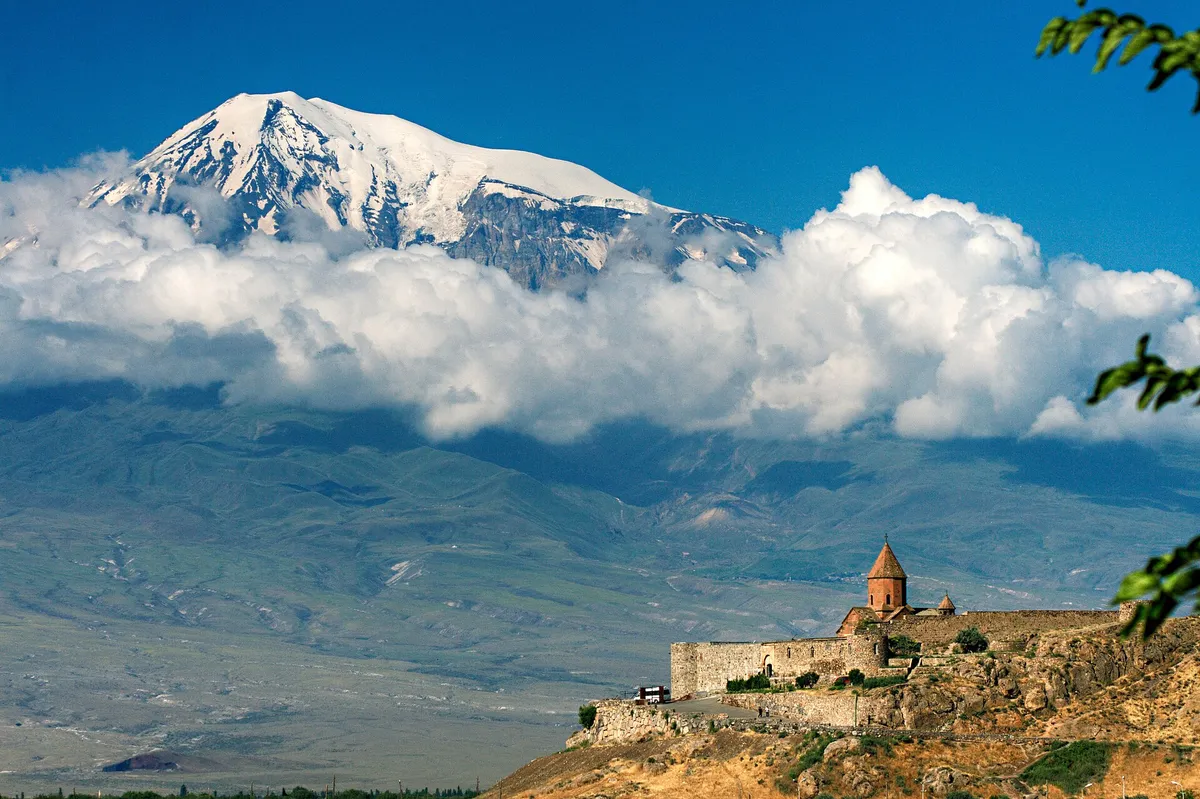
Built on a hill in the Ararat plain, about thirty kilometers south of Yerevan and near the villages of Pokr Vedi and Lusarat, Khor Virap Monastery stands facing the majestic slopes of Mount Ararat. Washed by the nearby waters of the Araks River, this fortified complex is the foremost holy site of Christian Armenia. Its centuries-old history and fortress silhouette make it one of the most revered symbols of Armenian heritage.
Saint Gregory's Pit and the Christian Dawn
The name Khor Virap, which literally means "deep pit" or "dungeon", is deeply rooted in Armenia's Christian origins. The site is located on the territory of the ancient city of Artashat, founded around 180 BC by King Artaxias I, founder of the Artaxiad dynasty. Before hosting a place of worship, the hill housed the royal prison of Artashat, where the condemned were thrown into an oubliette reputed to be infested with venomous snakes and insects.
It was into this pit that the pagan King Tiridates III had his adviser Gregory Lusavorich (Gregory the Illuminator) imprisoned. The sovereign reproached him for refusing to sacrifice to the goddess Anahita and discovered that Gregory's father, Anak the Parthian, was responsible for the murder of his own father. Gregory miraculously survived thirteen years of complete isolation in this underground dungeon, helped by a Christian widow who, guided by a vision, regularly sent him fresh bread.
After the martyrdom of Saints Hripsime, Gayane, and their companions, King Tiridates was struck by a terrible affliction that caused him to lose his mind. His sister, Khosrovidukht, saw in a dream that only one envoy could heal him: the forgotten prisoner of Artashat. At her repeated insistence, Prince Awtay was dispatched to the pit to bring Gregory out. Brought before the king, Gregory healed him and restored his reason. Following this miraculous healing, Tiridates III proclaimed Christianity as the state religion in 301, making Armenia the world's first Christian nation. Gregory then became Bishop of Caesarea and remained in the sovereign's service until around 314.
From 7th-Century Foundations to Intellectual Revival
Khor Virap's monumental history truly began in the 7th century, with historical records noting its establishment as early as the year 601. Around 642, Catholicos Nerses III the Builder had an initial chapel erected above the venerable pit. Built of white limestone, this circular structure adorned with eight interior columns bore architectural similarities to the contemporary church of Zvartnots, according to descriptions reported in particular by the medieval author Al-Muqaddasi.
Beyond its role as a sanctuary, the monastery established itself from the 13th century as a major center of learning and science. In 1225 (or 1255), the cleric and scholar Vardan Areveltsi founded an institute of higher learning there, a vardapetaran bringing together around forty students. Illustrious scholars studied or taught there, such as Esayi Nchetsi, Hovhannes Erznkatsi, Gevorg Skevratsi, and Nerses Mchetsi, who elevated the monastery's academic reputation to new heights. Numerous manuscripts from this period of intellectual flourishing are now treasured at the Matenadaran in Yerevan.
Reconstructions and Fortified Architecture
Over the centuries and amid the region's economic hardships in the 16th century, the buildings suffered significant degradation. A major reconstruction project began in 1666 under the direction of David Viraptsi. Although the violent earthquake of June 4, 1679, destroyed several structures, David Viraptsi resumed work between 1680 and 1695, successfully completing the restoration of the Church of the Holy Mother of God (Sourp Astvatsatsin), finished around 1703.
The monastic complex has the appearance of a fortified feudal castle, as noted in 1876 by traveler John Buchan Telfer. It is enclosed by sturdy defensive walls flanked by towers, housing a refectory, monastic cells, and outbuildings. At its center stands the main church, Sourp Astvatsatsin, featuring a dodecagonal drum topped by a dome and preceded by a gavit, flanked at the end of the 19th century by a columned bell tower on its western façade.
To the southwest of the central church stands the Chapel of Saint George (Sourp Gevorg), or Saint Gregory Church, a small basilica with a semicircular apse oriented from northwest to southeast. Inside this building, to the right of the altar, lies the entrance to the underground chamber. A staircase and a metal ladder allow descent into the historic cell of Saint Gregory, a vaulted space 4.4 meters in diameter and 6 meters deep, lined with limestone slabs decorated with bas-reliefs.
A Living Pilgrimage Open to the World
Preserved through restoration campaigns supported in the 1970s and 1980s by Catholicos Vazgen I, and then in the 1990s with the assistance of young volunteers from the Canada-Youth Mission to Armenia (CYMA), Khor Virap remains a major pilgrimage destination. Faithful visit to celebrate baptisms, weddings, or matagh rites, and tradition holds that light is brought from Khor Virap for New Year celebrations. Among the customary acts of visitors is also the release of doves toward Mount Ararat.
The site has drawn numerous travelers through the ages, from the botanist Joseph Pitton de Tournefort around 1700, James Bryce in 1876, and H. F. B. Lynch in 1893, to contemporary figures such as Pope Francis in 2016 and Charles Michel in 2021.
The symbolic power of this land and the tutelary silhouette of Mount Ararat continue to unite Armenians far beyond their borders. This attachment to the nation's roots and emblems will find a warm echo during a major diaspora celebration: the Agrupación Scout Ararat of Homenetmen will celebrate its 70th anniversary during a grand gathering of generations in Buenos Aires, Argentina, on November 7, 2026.
Don’t miss : La Agrupación Scout Ararat de Homenetmen celebrará su 70º aniversario con un encuentro de generaciones en Buenos Aires — Saturday, November 7, 2026, Argentine
Sources
- Khor Virap (Wikipedia fr)
- Khor Virap (Wikipedia en)
- Խոր Վիրապ (Wikipedia hy)
- Хор Вирап (Wikipedia ru)
- ՀՍՀ/ԽՈՐ ՎԻՐԱՊ (ՀՍՀ, Wikisource)
Texts from Wikipedia (CC BY-SA 4.0) and Wikisource (CC BY-SA 3.0), used as sources.
Written with an AI tool from the sources cited and checked by our editors; translated automatically from the reviewed French text.
Read next
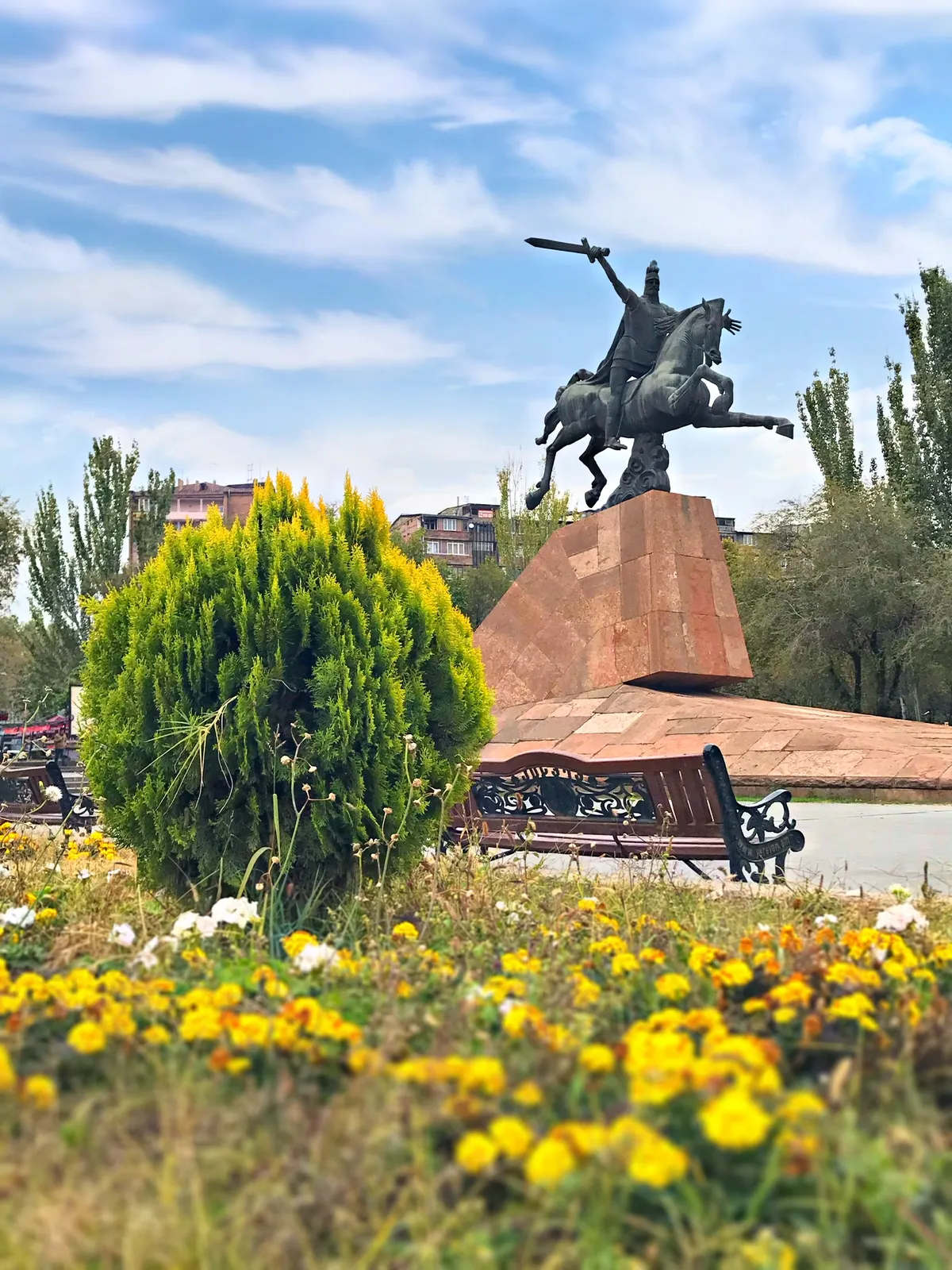 The Battle of Avarayr and Vardan Mamikonian: The Oath of Fidelity to the FaithOn May 26, 451, Vardan Mamikonian and his comrades fought the Battle of Avarayr, a decisive clash to preserve Armenia’s Christian faith.
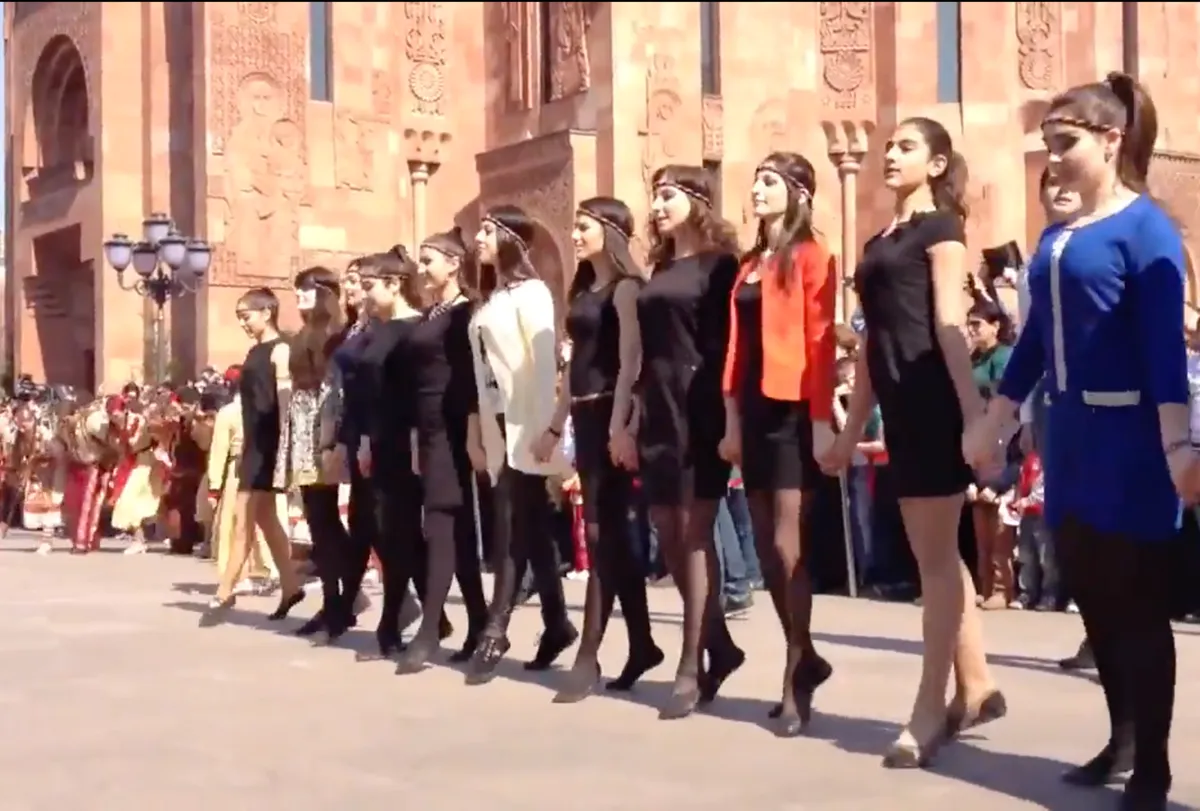 Kochari: History, Steps, and Memory of an Emblematic DanceDiscover Kochari, a circle dance born in the Armenian highlands, from its unique movements to its inscription on UNESCO's cultural heritage list.
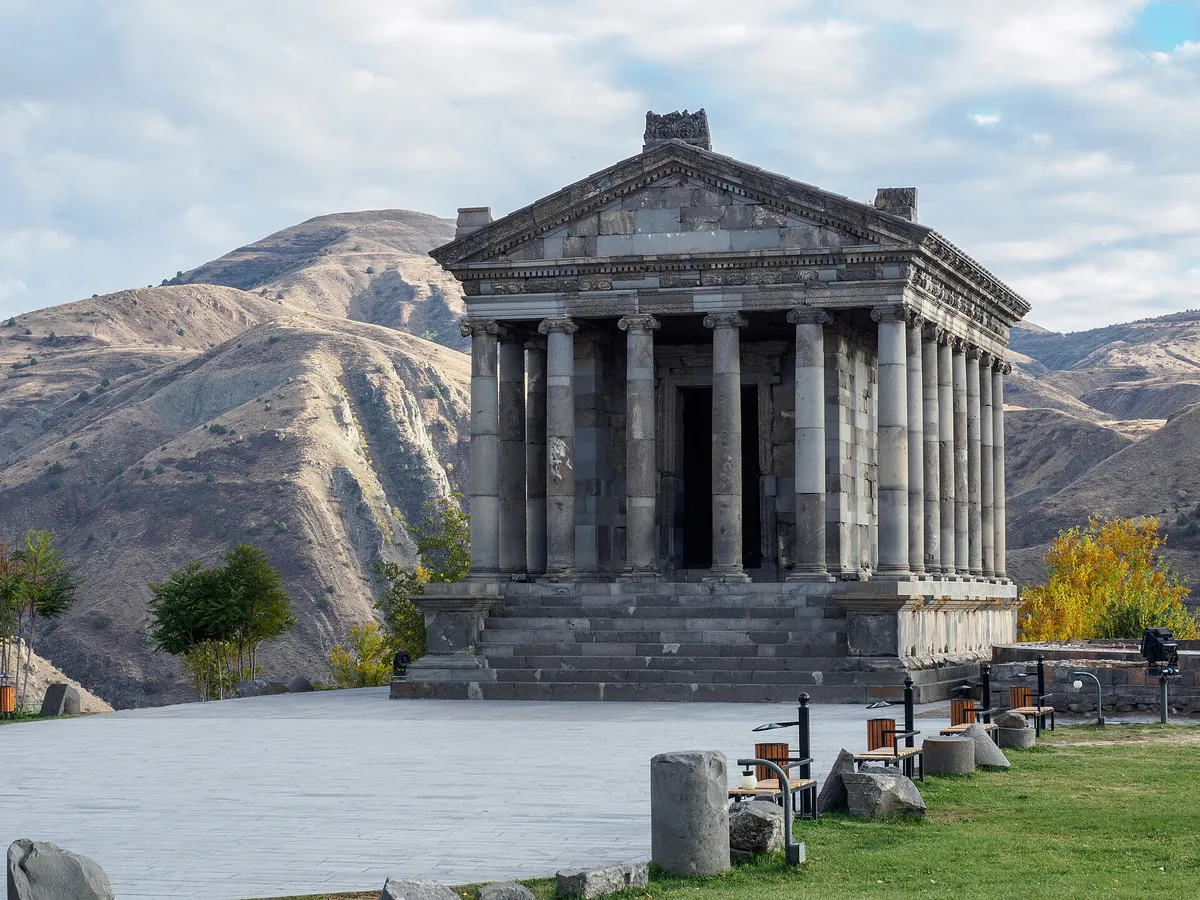 The Temple of Garni: Hellenistic Splendor and Living Memory of Ancient ArmeniaDiscover the history of the Temple of Garni, Tiridates I's Ionic gem, its centuries-long survival, and its architectural rebirth through anastylosis.