The Armenian Kingdom of Cilicia: Splendor and Destiny of a Mediterranean State
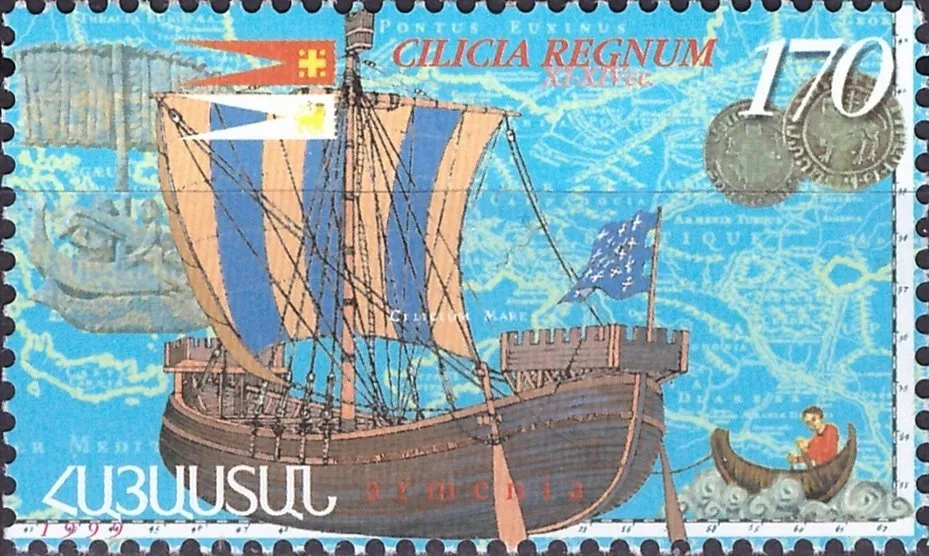
Born in the wake of the upheavals caused by the Seljuk invasions of Greater Armenia and the Byzantine annexation of 1045, the Armenian Kingdom of Cilicia—also known as Lesser Armenia—embodied Armenian national sovereignty in southeastern Anatolia for nearly three centuries. Established far from the ancestral highlands, on the shores of the Mediterranean and in the heart of the Taurus Mountains, this entity constituted a major political, military, and intellectual center between 1080 and 1375.
From the Fortresses of the Taurus to the Royal Coronation
Following the Byzantine defeat at Manzikert in 1071, Armenian chieftains seized control of several strongholds. Among them, Ruben, a former officer linked to the last Bagratid king Gagik II, revolted against Byzantium and laid the foundations of an independent principality in 1080. Under his leadership and that of his successors, the Rubenids, Armenian power was structured around impregnable fortresses such as Vahka and Partzapert.
During the First Crusade, under the reign of Constantine I, the Armenians became valuable allies to the Franks led by Godfrey of Bouillon, providing provisions, horses, and guides. Thoros I then expanded the domain into the plain, capturing Anazarbus and transferring the capital to Sis. Despite Byzantine offensives that led to the capture of Prince Leo I in 1137 by Emperor John II, his son Thoros II managed to escape in 1141 to restore Rubenid authority.
The apogee of this first period occurred under Leo II, who ascended the princely throne in 1187. A skilled diplomat and military leader, he doubled the extent of the controlled coastline and secured recognition from the Western powers. On January 6, 1198, Armenian Christmas Day, Leo II was solemnly crowned the first king of Cilician Armenia in the cathedral of Tarsus, under the name Leo I. The anointing was performed by Catholicos Gregory VI Apirat in the presence of Jacobite and Orthodox prelates, while Archbishop Conrad of Mainz presented him with the regalia on behalf of the German Emperor Henry VI. This reign earned the sovereign the moniker Leo the Magnificent.
A Diplomatic Balancing Act Facing the Mongols and Mamluks
Upon the death of Leo I, the crown passed to his daughter Isabella, who married Hethum I in 1226, thus sealing the union of the Rubenids and the rival Hetoumite dynasty. As the Mongol hordes swept across the Middle East and ravaged Greater Armenia, Hethum I made the strategic choice to negotiate. He dispatched his brother, the Constable Smbat, to Karakorum in 1247, and later traveled there in person in 1253 to meet Möngke Khan. This unprecedented agreement guaranteed the integrity of the kingdom and exempted Armenian churches and monasteries located in Mongol territory from taxes.
However, this alliance dragged Cilicia into a direct confrontation with the Mamluks of Egypt. In 1266, the Mamluk Sultan Baybars demanded a break with the Mongols; in the absence of Hethum I, who had gone to seek reinforcements in Persia, Mamluk troops crushed the Armenian army at the Battle of Mari, killing Prince Thoros and capturing the future Leo III. Although joint Armeno-Mongol victories were achieved, notably at Homs on December 23, 1299, alongside Khan Ghazan, the Mamluks multiplied their incursions. The sack of Hromgla in 1292 forced the Armenian Church to permanently move the Holy See of the Catholicosate to Sis.
Society, Economy, and Artistic Radiance
At the crossroads of the Latin, Byzantine, and Eastern worlds, Lesser Armenia developed a distinctive culture. Social organization adopted the institutions of Western feudalism: the titles of baron (paron) and constable (goundstabl) superseded the ancient offices of nakharar and sparapet. Chivalric ideals permeated the aristocracy, while the language was enriched with French terms and the Armenian alphabet added two new letters: “Ֆ” (f) and “Օ” (o).
This openness toward Europe also enabled transmissions in the opposite direction: the Crusaders drew inspiration from Armenian military architecture, particularly for the circular layout of their defensive towers. Economically, the kingdom established itself as the nerve center of trade between East and West thanks to the port metropolis of Ayas, frequented by Italian merchants and visited by Marco Polo. Maritime security and coastal defense relied on a fleet based in Ayas and Korykos, backed by an army of 30,000 soldiers in peacetime, capable of reaching 60,000 men in wartime.
Cilicia was also a brilliant artistic center. The fortress-monastery of Hromgla saw the flowering in the 13th century of the master miniaturist Toros Roslin, whose illuminations rank among the treasures of medieval Armenian art. Religious and castral architecture experienced remarkable vitality, exemplified by the Cathedral of Saint Sophia in Sis and the imposing fortresses of Lampron and Anazarbus.
The End of the Kingdom and the Legacy of a Nation
The extinction of the Hetoumite line led in 1342 to the election of Guy of Lusignan under the name Constantine III, hailing from the French house ruling Cyprus. However, attempts to impose the rites of the Roman Church sparked bitter divisions between the Uniate aristocracy and the common people attached to their traditions.
Isolated after the retreat of the Crusader states and the Islamization of the Mongols, the kingdom ultimately succumbed to repeated Mamluk assaults. Sis fell in April 1375. The last king, Leo VI of Lusignan, captured and later ransomed, passed away in exile in Paris in 1393. While a few lords maintained enclaves in the high Taurus until the Ottoman annexation in 1515, the Armenian population remained rooted in Cilicia until the 1915 genocide. Even today, the memory of this sovereignty remains vivid, embodied by the Cilician lion on the coat of arms of the Republic of Armenia and the continued presence of the Catholicosate of the Great House of Cilicia in Antelias, Lebanon.
Sources
- Royaume arménien de Cilicie (Wikipedia fr)
- Armenian Kingdom of Cilicia (Wikipedia en)
- Կիլիկիայի հայկական թագավորություն (Wikipedia hy)
- Киликийская Армения (Wikipedia ru)
Texts from Wikipedia (CC BY-SA 4.0) and Wikisource (CC BY-SA 3.0), used as sources.
Written with an AI tool from the sources cited and checked by our editors; translated automatically from the reviewed French text.
Read next
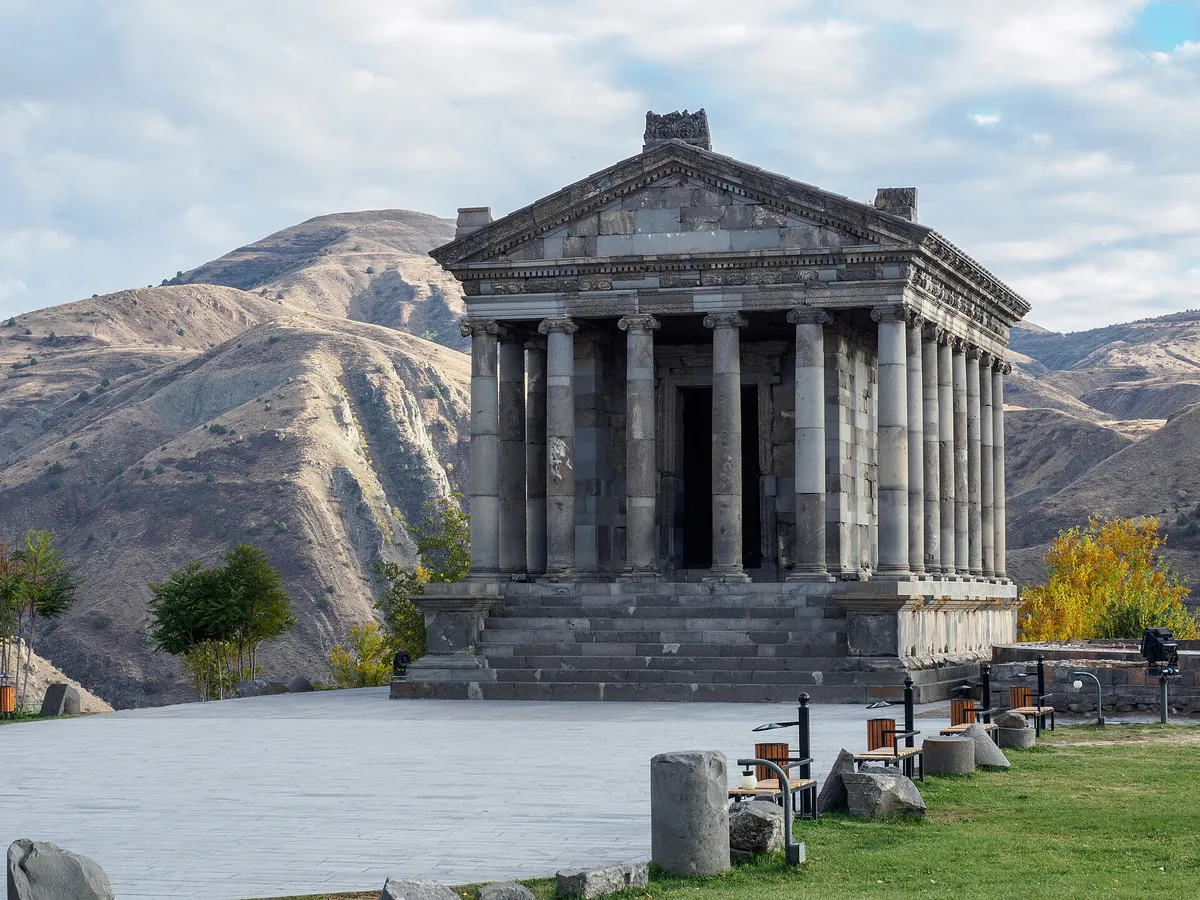 The Temple of Garni: Hellenistic Splendor and Living Memory of Ancient ArmeniaDiscover the history of the Temple of Garni, Tiridates I's Ionic gem, its centuries-long survival, and its architectural rebirth through anastylosis.
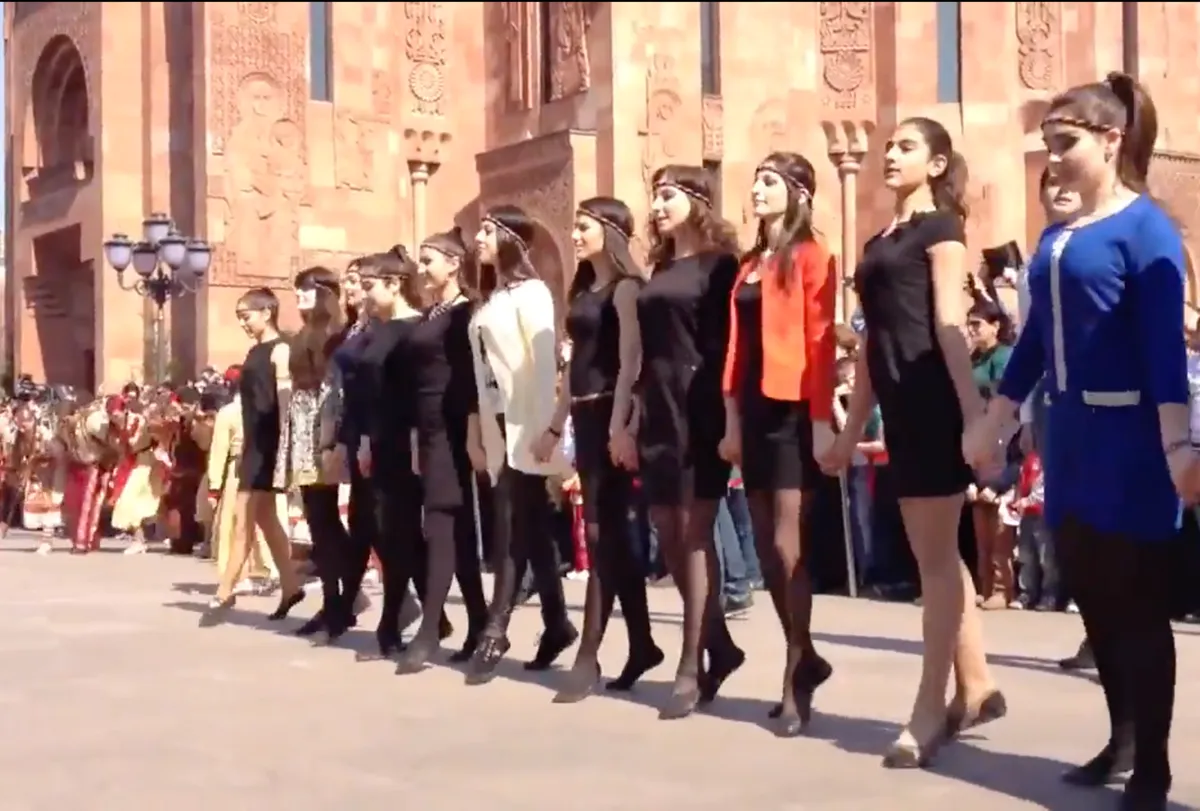 Kochari: History, Steps, and Memory of an Emblematic DanceDiscover Kochari, a circle dance born in the Armenian highlands, from its unique movements to its inscription on UNESCO's cultural heritage list.
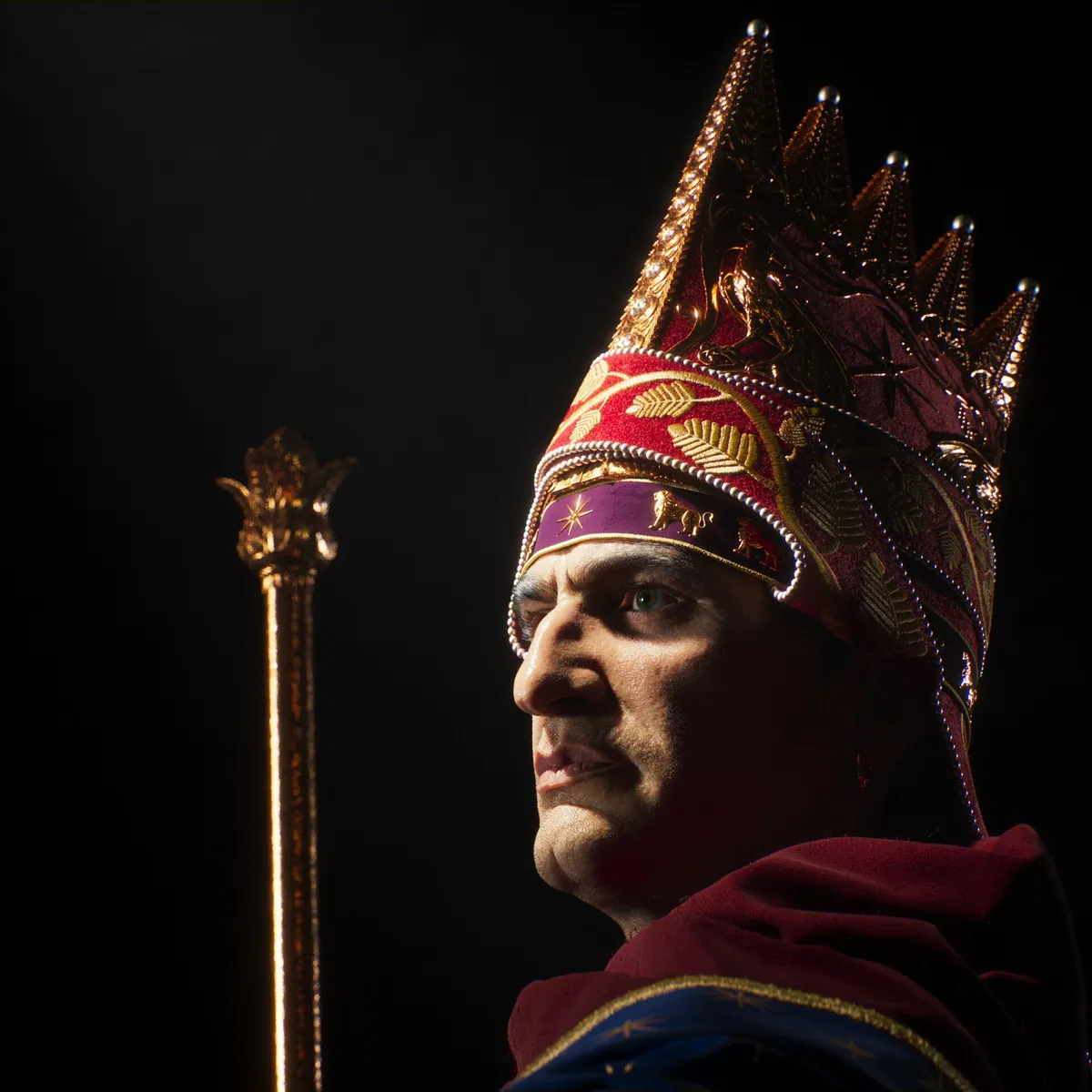 Tigranes the Great and the Golden Age of the Armenian EmpireAn Artaxiad ruler in the first century BC, Tigranes the Great brought Armenia to its territorial, cultural, and political zenith.