The Battle of Avarayr and Vardan Mamikonian: The Oath of Fidelity to the Faith
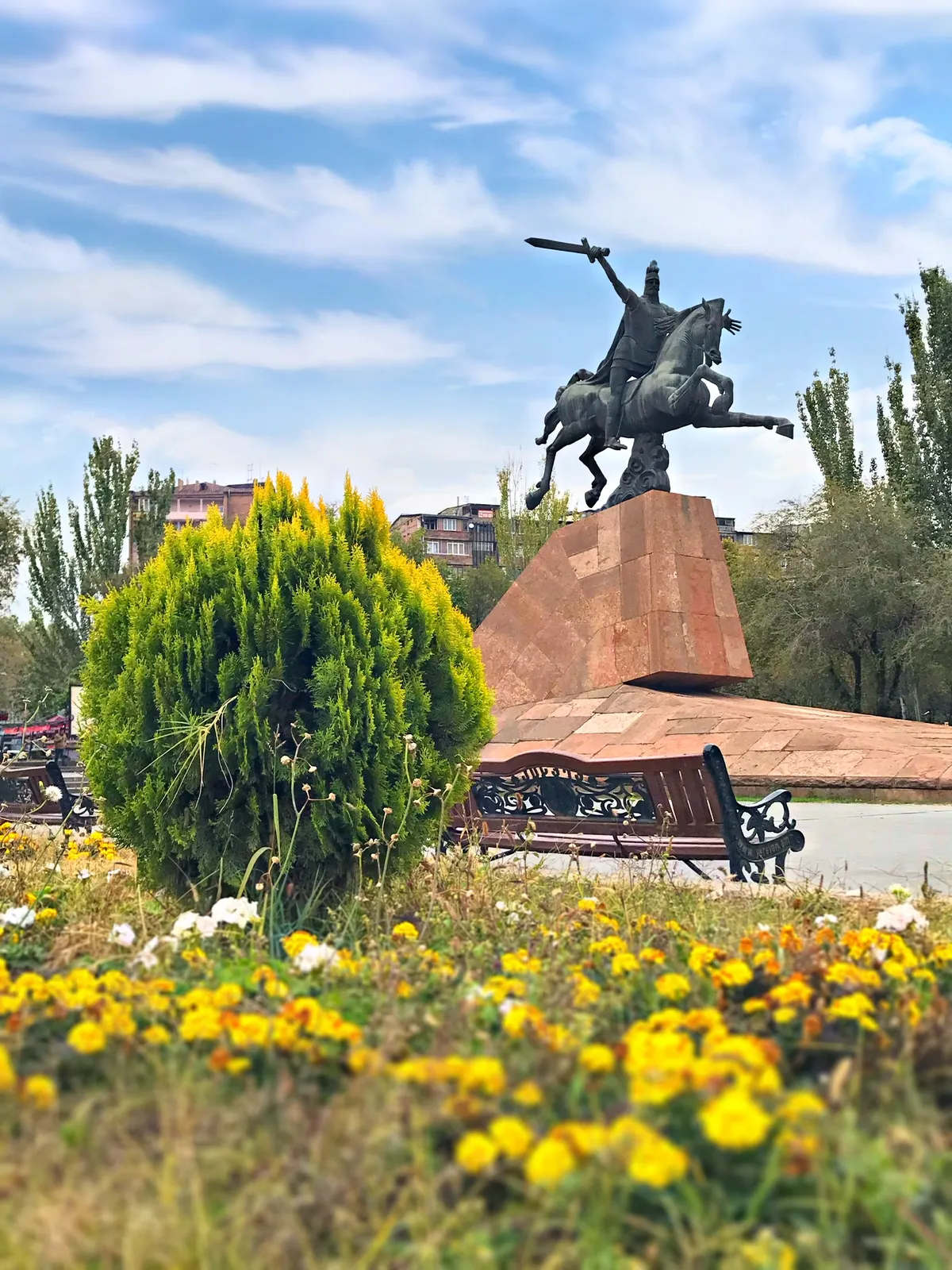
Among the founding events of Armenian history, the confrontation of May 26, 451, in the plain of Avarayr holds a singular place. Also known as the Battle of Vartanantz, this armed struggle against the Sasanian Empire sealed, at the cost of the ultimate sacrifice of its leaders, the preservation of Armenian spiritual identity. Under the leadership of the sparapet Vardan Mamikonian, the Armenian people and their lords chose to defy a colossal empire rather than renounce the Christian faith, adopted in 301 under Tiridates III.
The Religious Crisis and the Revolt against Yazdegerd II
Since the partition of 387 between the Byzantine and Persian spheres of influence, followed by the deposition in 428 of the last Arsacid king, Artaxias IV, by Bahram V, Eastern Armenia had been living under the marzpanate system, administered from Dvin. In 449, the Persian sovereign Yazdegerd II demanded that the Armenians abandon Christianity in favor of Zoroastrianism, prompted by his minister Mihr-Narseh, who wished to impose Zurvanism. Yazdegerd II feared that the Armenian Church remained too closely tied to Byzantium and Rome.
Faced with this decree, an assembly bringing together the nobility and the clergy was convened at Artashat under the aegis of Catholicos Hovsep of Holotsim. The Armenians delivered a unanimous resolution: they reaffirmed their political obedience to the monarch while categorically refusing to abandon their faith. Furious, Yazdegerd II summoned the leading nakharars to Ctesiphon, among them the military commander Vardan Mamikonian and the governor Vasak of Syunik. Threatened, the nobles outwardly submitted and agreed to feign conversion. But upon their return, accompanied by Persian magi tasked with converting the population, the people rose up violently in the village of Anghl. The lords immediately repudiated this forced apostasy. Vardan Mamikonian took command of the armed resistance.
The Military Clash on the Plain of Avarayr
After unsuccessful diplomatic efforts with the Byzantine Empire—Emperor Theodosius II and then his successor Marcian refusing to intervene—conflict became inevitable. The Sasanian army, commanded by Mushkan Nysalavourt, entered the country through the border provinces of Her and Zarevand to quell the uprising and march on Artashat. As for the marzpan Vasak of Syunik, he defected with a portion of the nobility to join the Sasanian camp.
On May 26, 451 (with one tradition also mentioning June 2), the troops lined up along the Tghmut River, in the canton of Artaz in Vaspurakan. The Armenian army numbered 66,000 men, largely composed of peasants supported by an elite of seasoned cavalry and lords. Before the engagement, the soldiers received Holy Communion. The priests Hovsep and Ghevond Yerets offered words of encouragement to the fighters. Vardan organized his forces by entrusting divisions to Nershapuh Artsruni, Khoren Khorkhoruni, and Tatul Vanandetsi, keeping the reserve for himself alongside his brother Hamazasp Mamikonian. Facing them, the Persian army, estimated to be three times as numerous, deployed the elite Savaran regiment and a formidable corps of war elephants.
The battle began with volleys of arrows and javelins. Crossing the river, the Armenians launched a vigorous offensive that initially pushed back the enemy’s left flank and center. However, the intervention of the Persian reserve and the charge of the war elephants eventually enveloped the Armenian army. In the heart of this violent melee, Vardan Mamikonian fell with weapons in hand, as did his brother Hmayeak, eight other generals, and numerous nobles. The chronicles report 1,036 dead among the rebel forces and 3,544 in the ranks of the Sasanian army.
The Aftermath and the Preservation of Freedom of Worship
Although the Sasanians remained masters of the battlefield, their victory proved particularly costly. The surviving Armenian fighters retreated to fortresses and inaccessible mountains, waging guerrilla warfare in Artsakh, Tayk, and Tmorik. Confronted with Hunnic attacks and the country’s economic devastation, Yazdegerd II was forced to change his approach: he formally renounced the imposition of Zoroastrianism in Armenia and permitted the free exercise of Christianity.
On the political front, Vasak of Syunik, whose double-dealing was exposed, was condemned by the Persian king and died in captivity. While captured clerics were executed and nobles temporarily deported to Central Asia, the uprising preserved the fundamental prerogatives of the Armenian nation, serving as a prelude to the future struggles led by Vahan Mamikonian beginning in 481.
Memory and Literary Posterity
The accounts of this epic have been handed down to us by two major fifth-century Armenian historians: Lazar of Parpi and Elishe (Yeghishe), the latter having immortalized the zeal of the sparapet and his troops in his work on the history of Vardan. The Armenian Apostolic Church canonized Vardan Mamikonian as well as all the fallen fighters at Avarayr, venerated annually in February during the feast of Vardanantz, or commemorated on 30 Hrotits (August 5).
This page of bravery also inspired numerous creators. Derenik Demirchian drew from it his celebrated historical novel Vardanank, while writers and clerics such as Smbat Byurat with his play The Eagle of Avarayr, or Vardanank, S. Ter-Movsesyan with The Heroes of Avarayr, or Archimandrite Vahan Hovhannisyan with Toward Avarayr celebrated the living memory of this sacrifice for the homeland on stage.
Sources
- Bataille d'Avarayr (Wikipedia fr)
- Battle of Avarayr (Wikipedia en)
- Ավարայրի ճակատամարտ (Wikipedia hy)
- Аварайрская битва (Wikipedia ru)
- The Battle of Avarayr explained with a YouTube video (PeopleOfAr)
- Battle of Avarayr 451 A.D. (Vardanank) (PeopleOfAr)
Texts from Wikipedia (CC BY-SA 4.0) and Wikisource (CC BY-SA 3.0), used as sources.
Written with an AI tool from the sources cited and checked by our editors; translated automatically from the reviewed French text.
Read next
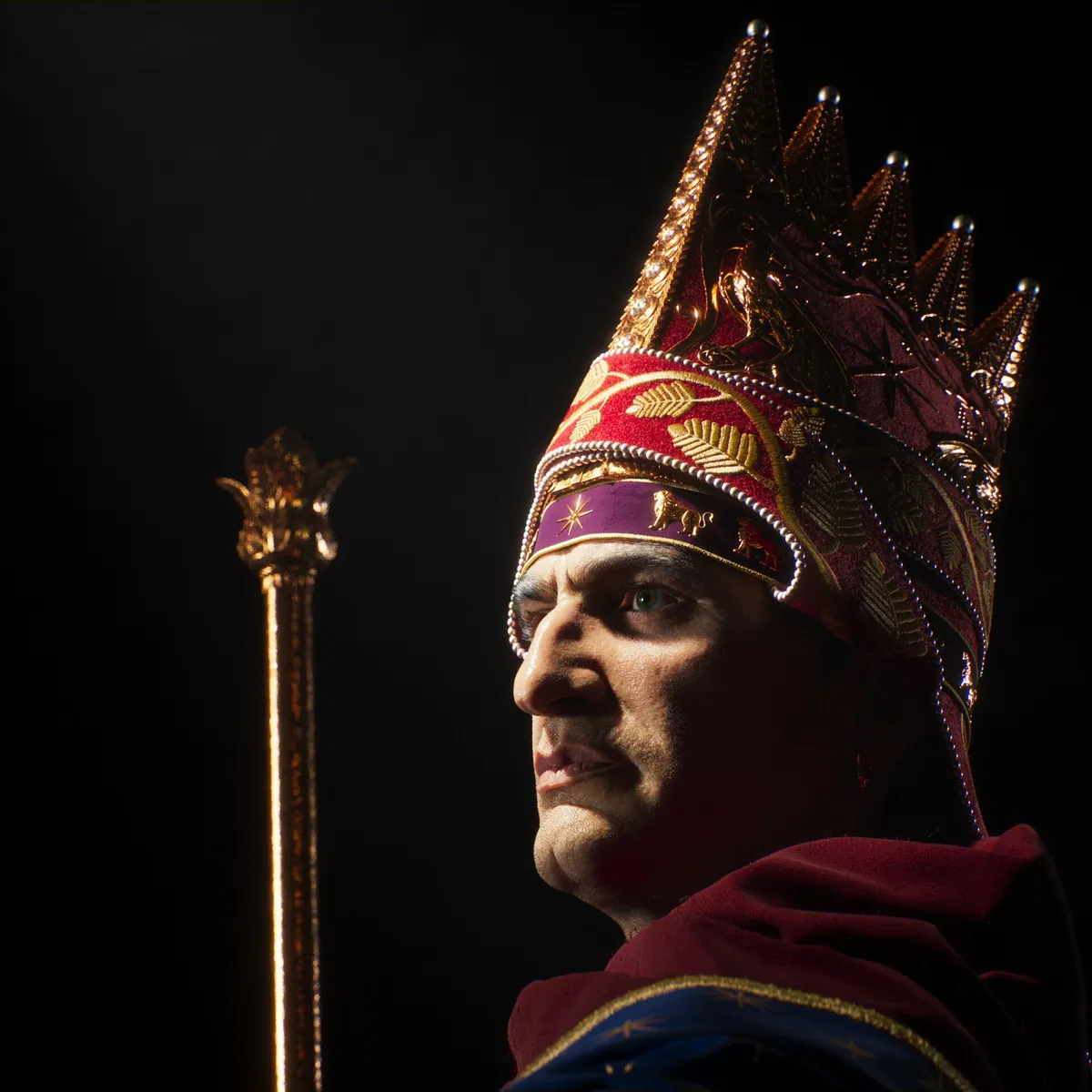 Tigranes the Great and the Golden Age of the Armenian EmpireAn Artaxiad ruler in the first century BC, Tigranes the Great brought Armenia to its territorial, cultural, and political zenith.
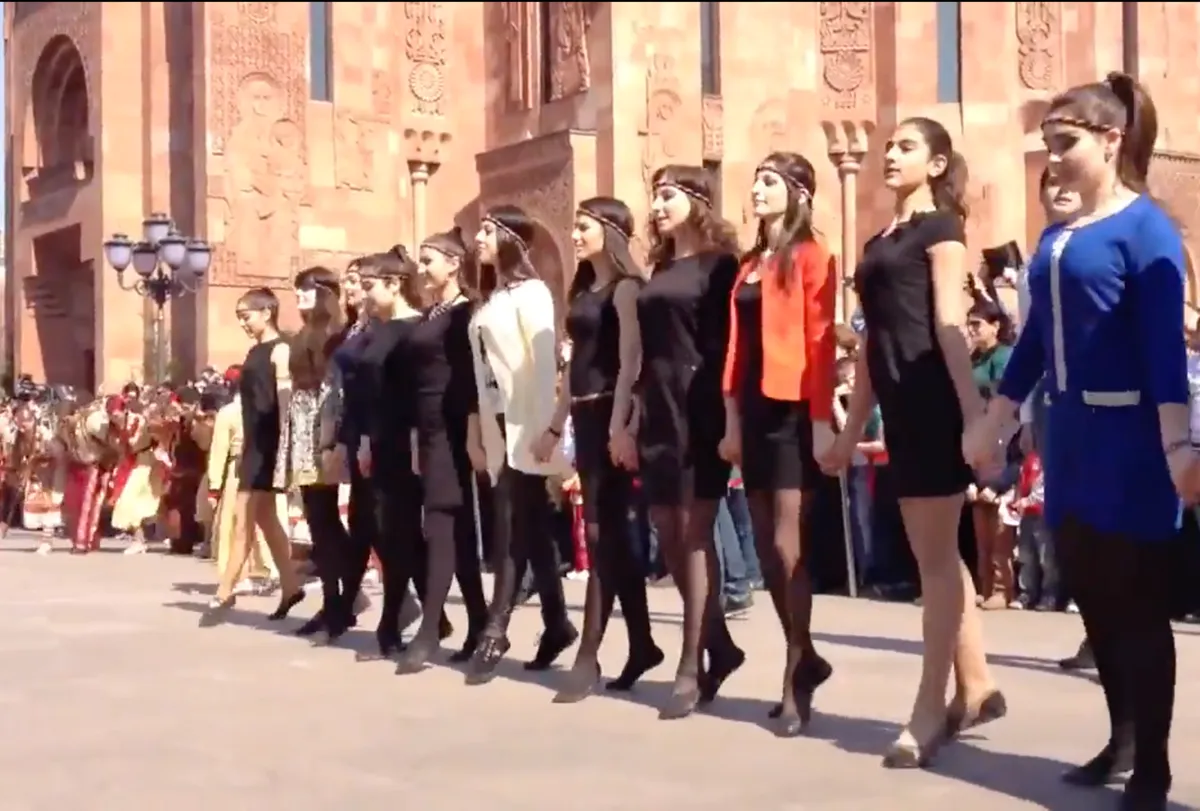 Kochari: History, Steps, and Memory of an Emblematic DanceDiscover Kochari, a circle dance born in the Armenian highlands, from its unique movements to its inscription on UNESCO's cultural heritage list.
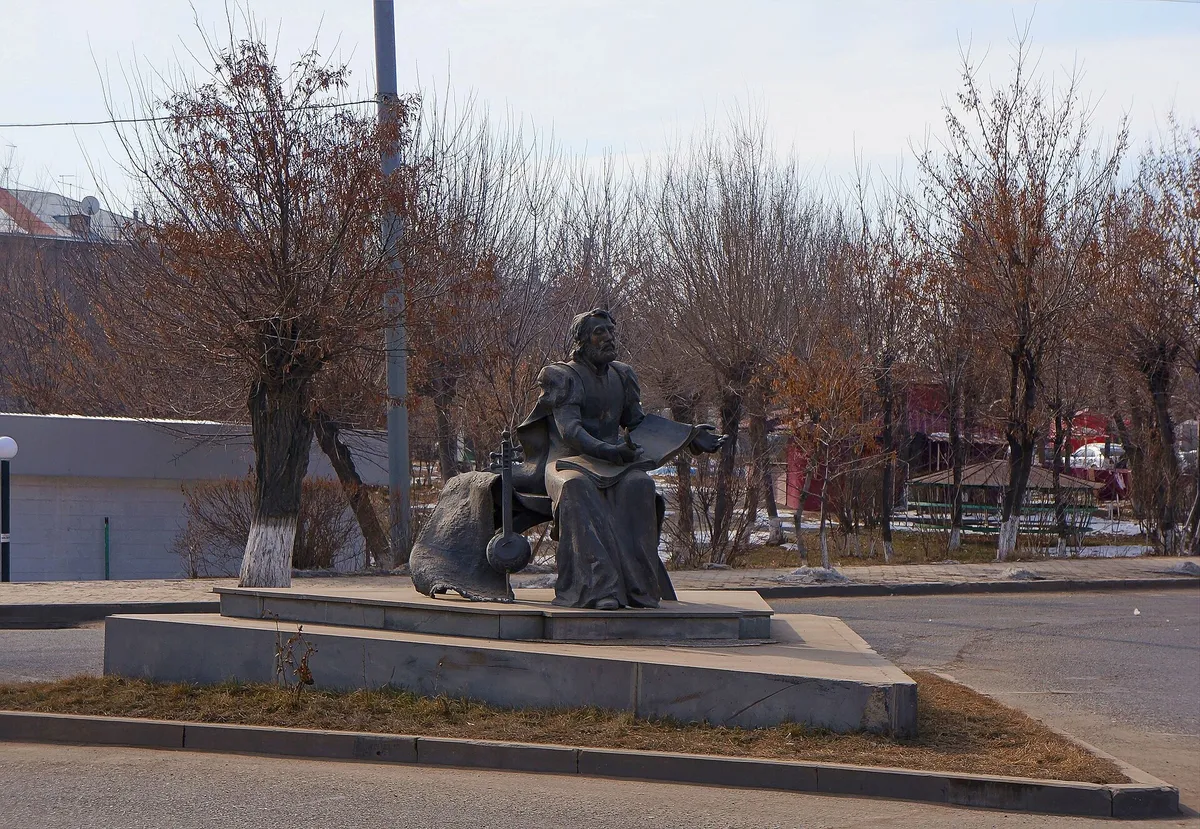 Sayat-Nova and the Art of the Ashughs: The Eternal Voice of Armenian TroubadoursDiscover the life and work of Sayat-Nova, undisputed master of Armenian ashughs, kamancheh virtuoso, and royal poet at the Georgian court.