The Mechitharist Fathers of Venice and Vienna: Three Centuries in the Service of Armenian Letters
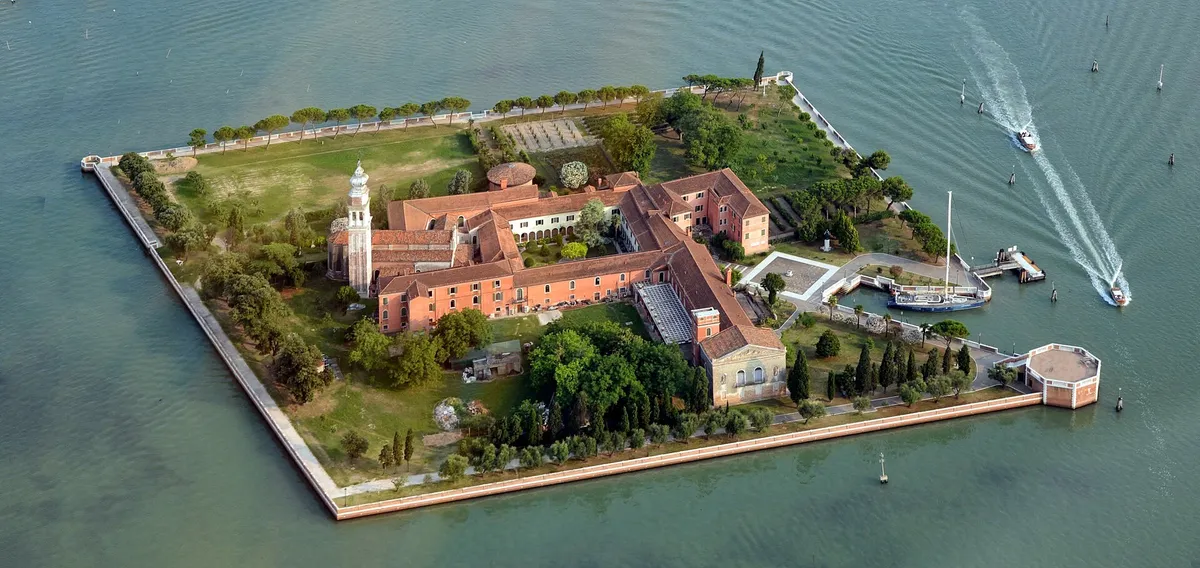
For more than three centuries, the Armenian Catholic monastic order of the Mechitharist Fathers has embodied a singular intellectual and spiritual journey. Founded in 1701 by Mekhitar of Sebaste, this Benedictine congregation placed study, writing, and the preservation of heritage at the heart of its vocation. In the face of history's upheavals, the monks established true centers of linguistic and literary preservation, guided by the maxim formulated from the outset: "neither sacrifice nation to religion, nor religion to nation."
From Constantinople to the Shores of the Venetian Lagoon and Vienna
Born in 1676 in Sebaste in the Ottoman Empire, Mekhitar was ordained a priest in 1696. Driven by the desire to elevate the education of his people, he gathered disciples and officially founded his order on September 8, 1701, in Constantinople, dedicated to Saint Anthony the Abbot. Faced with tensions within the local community and persecution by the authorities, the brotherhood left the Ottoman capital to settle in the Morea, at Modon, a territory then under Venetian control. The monks built a monastery there in 1706. In 1712, Pope Clement XI granted official recognition to the order, which chose to follow the Rule of Saint Benedict.
The resumption of the conflict between Ottomans and Venetians forced the monks to abandon Modon in 1715. Seeking refuge in Venice, the congregation received the perpetual concession of the island of San Lazzaro from the Senate of the Republic on August 26, 1717. Mekhitar and his companions settled there on September 8, 1717. The abbot had a monastic complex built there, complete with a refectory and a vast library, completed in 1740, where he passed away on April 27, 1749. In 1810, during the Napoleonic decree abolishing monastic institutions in Venice, the Mechitharists obtained an express exemption granted by the Emperor on account of their patriotic and pedagogical work.
The history of the order was also marked by divisions. In 1773, a group of friars in conflict with Abbot Stepanos Melkonian left Venice to settle first in Trieste, under Habsburg rule, before founding the Vienna monastery in 1810, where the Viennese branch permanently established itself in 1837. For more than two centuries, both branches developed their own scholarly works. In July 2000, an extraordinary general assembly held at San Lazzaro sealed their reunification: San Lazzaro once again became the general headquarters and Vienna the primary abbey of the unified institute. In 2016, Pope Francis appointed Archbishop Levon Boghos Zekiyan as episcopal delegate to the Order.
Printing, Language, and the Rediscovery of Ancient Texts
Unlike monastic orders devoted to manual labor, the Mechitharist Fathers dedicated themselves primarily to research and writing. Equipped with printing presses as early as the 18th century, they printed Bibles and disseminated literature in Classical Armenian (grabar). As early as 1730, Mekhitar published a grammar aimed at purifying the written language of Latinate turns of phrase, then in 1749 published the Bargirk Haykazian Lezui, the first comprehensive dictionary of the Armenian language. Between 1836 and 1837, Gabriel Avetikyan, Mgrditch Avgerian, and Khachatur Surmelian completed the prestigious two-volume Nor Bargirk Haykazian lezui in Venice.
Thanks to the manuscripts they preserved, the fathers also restored to the world ancient Christian texts in Greek or Syriac whose originals had been lost, surviving solely in their Armenian translations. Father Pascal Aucher (Harutiun Avgerian) published, in particular, treatises by Ephrem the Syrian, the Letters of Saint Ignatius of Antioch, and the Ecclesiastical History of Eusebius of Caesarea. This same Father Aucher became the Armenian tutor of Lord Byron, who visited San Lazzaro on November 13, 1816, with his companion John Cam Hobhouse.
The monks also carried out significant historical and scientific works. Mikayel Chamchian published his three-volume History of Armenia between 1784 and 1786. Ghoukas Indjidjian and Stepanos Agonts published a monumental eleven-volume world geography between 1802 and 1808. Finally, in 1843, Father Gabriel Aivazovsky launched the literary and scientific journal Bazmavep, which is still published today, while the Viennese branch began publishing the journal Handes Amsorya in 1887.
Educational Network, Theater Scene, and Art Treasures
The fathers' commitment was also powerfully reflected in education. Since the 18th century, nearly one hundred Mechitharist schools have operated across both East and West. In Paris, the Hôtel de Bourbon-Condé hosted the Samuel Moorat College from 1846 to 1870, later transferred to Sèvres, where prominent figures such as director Raffy Shart, producer Christian Ardan, composer Armen Bedrossian, and actor Charles Gérard studied. Poets and scholars such as Daniel Varoujan, Ghevont Alishan, and Mikayel Chamchian also taught or studied there. Today, institutions remain active in Beirut, Los Angeles, Buenos Aires, Istanbul, and Yerevan.
Beginning in the 1770s, San Lazzaro also organized theatrical performances based on Armenian history, notably plays such as Vasak Mamikonian (1792) and Medzn Vardan Mamikonian (1799). Finally, the Venetian monastery houses an invaluable museum and archives: ancient manuscripts, early printed Bibles, paintings by masters such as Sarian, Carzou, and Shart, Urartian artifacts more than two millennia old, as well as an Egyptian mummy nearly 4,000 years old along with its sarcophagus.
A Living Heritage to Celebrate in California
The work of the Mechitharist Fathers remains a striking testament to the vitality of the Armenian spirit and its ability to enrich universal heritage. To celebrate and transmit this extraordinary cultural memory, the public is invited to the "Armenian Culture Fest," which will take place on November 7, 2026, in California. This gathering will be a special opportunity to honor the creativity, history, and artistic treasures forged across the centuries.
Don’t miss : Armenian Culture Fest — Saturday, November 7, 2026, California
Sources
- Congrégation des pères mékhitaristes (Wikipedia fr)
- Mekhitarists (Wikipedia en)
- Մխիթարյան միաբանություն (Wikipedia hy)
- Мхитаристы (Wikipedia ru)
Texts from Wikipedia (CC BY-SA 4.0) and Wikisource (CC BY-SA 3.0), used as sources.
Written with an AI tool from the sources cited and checked by our editors; translated automatically from the reviewed French text.
Read next
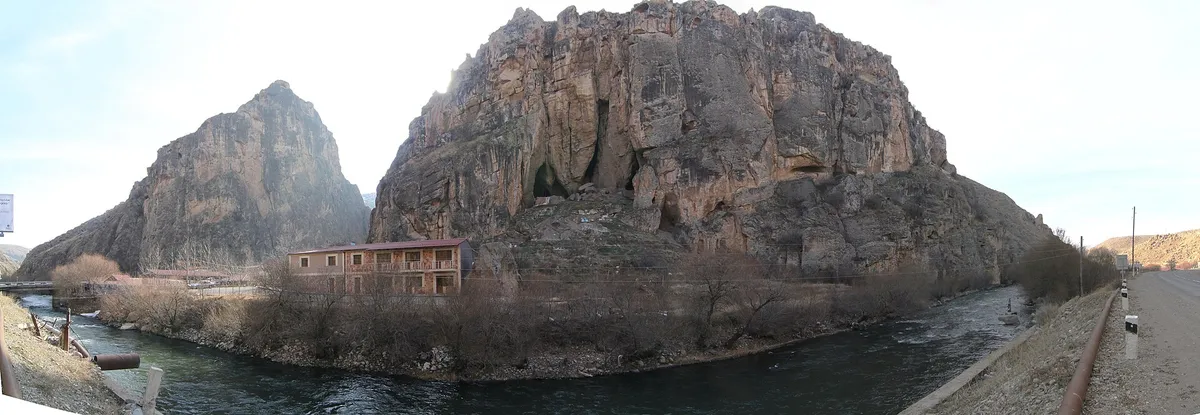 The Areni-1 Winery: At the Millennia-Old Roots of Wine in ArmeniaDiscover Areni-1, the world's oldest winemaking facility, unearthed in the Vayots Dzor region in the heart of Armenia.
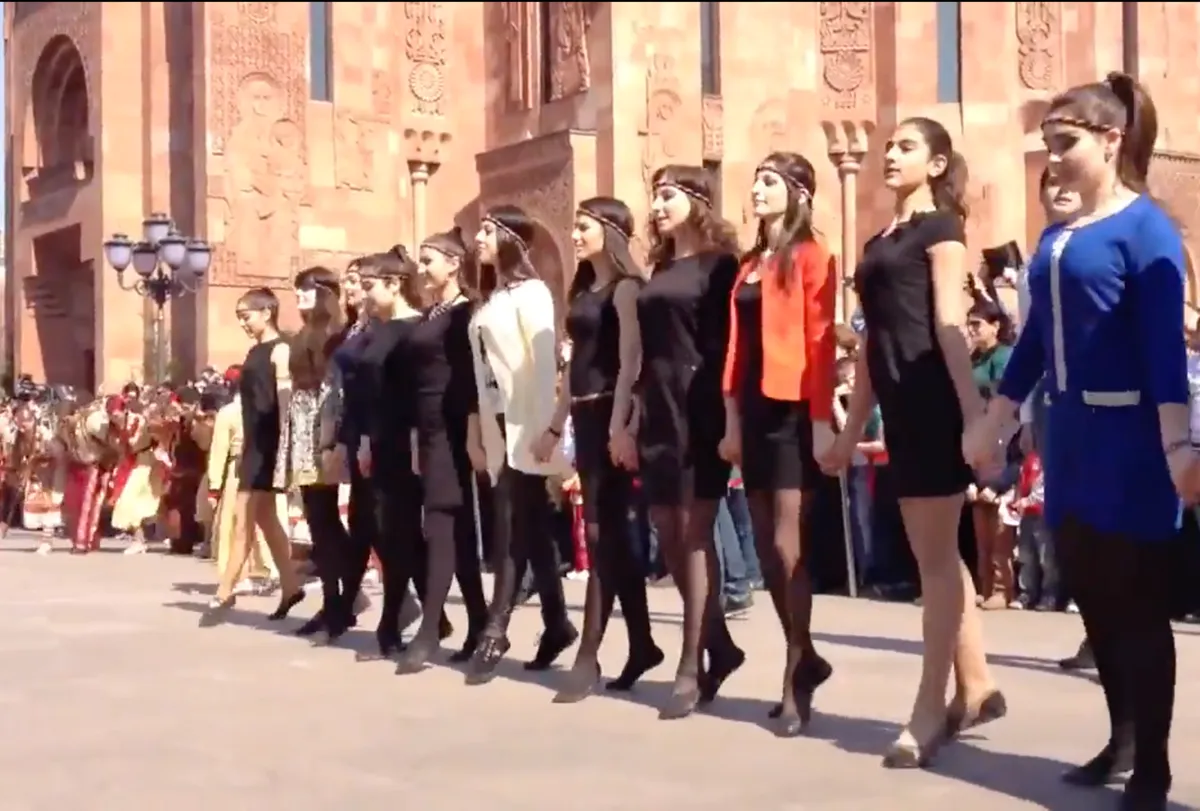 Kochari: History, Steps, and Memory of an Emblematic DanceDiscover Kochari, a circle dance born in the Armenian highlands, from its unique movements to its inscription on UNESCO's cultural heritage list.
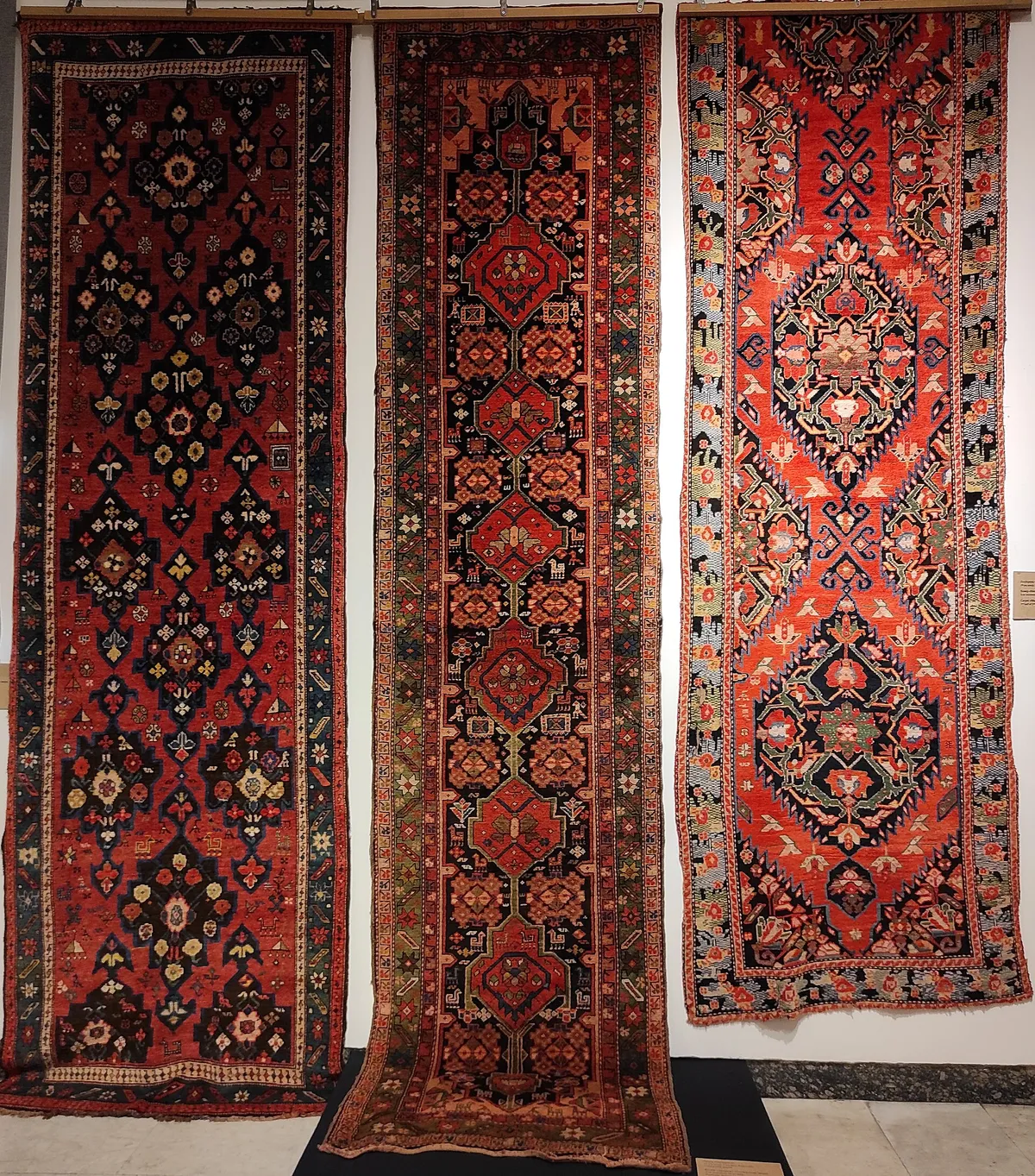 The Art of the Armenian Carpet, a Millenary Heritage Woven with HistoryFrom ancient origins to modern workshops, discover the art of the Armenian carpet, a textile treasure of symbols, craftsmanship, and history.