Sayat-Nova and the Art of the Ashughs: The Eternal Voice of Armenian Troubadours
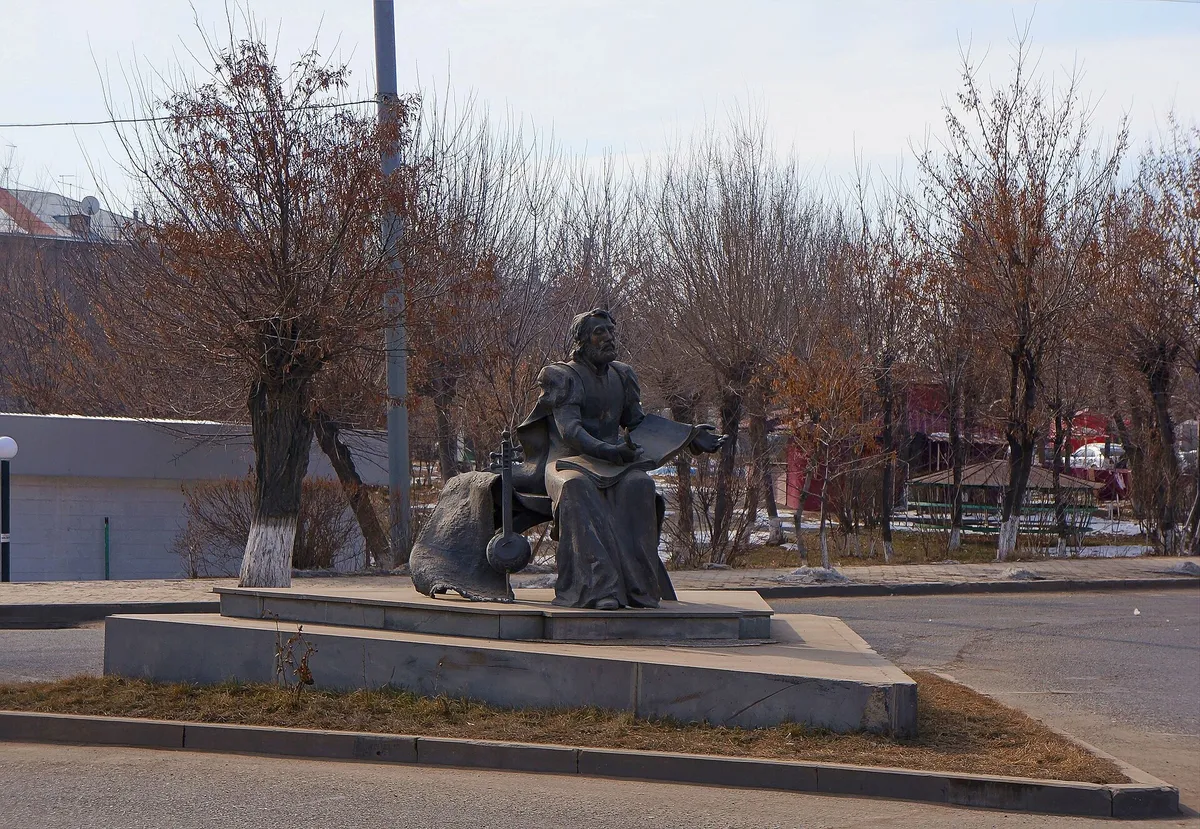
Born on June 14, 1712, in Tiflis as Harutyun Sayatyan, the man remembered by posterity as Sayat-Nova remains the most dazzling figure in the tradition of the ashughs. Nicknamed the “King of Songs,” this Armenian poet and minstrel left an indelible mark on the literary and musical history of the 18th-century Caucasus. Coming from a modest background of weavers, he elevated the art of folk troubadours to a poetic and musical dimension of rare intensity.
From the Weaving Workshop to the Court of Heraclius II
The son of Karapet, originally from Aleppo or Adana, and Sara, from the Avlabari district or Sanahin, young Harutyun grew up in the Georgian capital. Apprenticed in weaving at the age of twelve, he designed a portable loom himself so he could work from home. Yet his mind and heart were already drawn to melody and verse.
Trained in singing and in playing Eastern stringed instruments—foremost among them the kamancheh, his instrument of choice, but also the chonguri and the tambur—he gradually established himself as a virtuoso. According to tradition, he honed his craft until the age of thirty before devoting himself entirely to his calling, notably undertaking a pilgrimage to the Saint Karapet Monastery of Taron, the patron saint of Armenian troubadours.
Noted for his verbal mastery and skill in poetic duels, he was introduced to the court of King Heraclius II (Irakli II of Georgia), who sought to forge regional alliances against Persia. Sayat-Nova became a court poet and royal musician (sazandar) there. For nearly a decade, he charmed the court with his eloquence, improvising songs blending praise, moral meditations, and denunciations of the hypocrisy of the powerful. However, his rise aroused animosity among the nobility. His thwarted passion for Princess Anna Batonishvili, the monarch's sister, sealed his definitive expulsion from palace life around 1759.
The Art of the Kamancheh and Virtuosity of Forms
Sayat-Nova's repertoire, recorded in his precious manuscript notebook, the Daftar, bears witness to an exceptional mastery of Eastern poetic forms. He handled the ghazal, bayati, and tajnis with equal ease, indulging in internal rhymes, alliteration, and assonance that make him one of the great masters of prosody.
Although steeped in a deeply spiritual universe, the poet distinguished himself above all through secular poetry dominated by the sentiment of love. In it, he embodies the faithful lover willing to endure hardship out of devotion to pure beauty. His compositions include 68 odes in Armenian, as well as dozens of other pieces written in Georgian and other regional idioms, making him a natural cultural link between the Caucasian peoples. As his French translators Élisabeth Mouradian and Serge Venturini emphasized, his work transcends linguistic boundaries through a “universal singularity.”
Following his banishment, Sayat-Nova cast aside his bardic attire to take religious vows under royal pressure. Ordained as a priest of the Armenian Apostolic Church under the name Ter Stepanos in 1759, he was first sent to Bandar-e Anzali on the Caspian Sea, where he transcribed the Book of Lamentations by Saint Gregory of Narek. After the death in 1768 of his wife Marmar, who left him with four children—Ohan, Melikset, Sara, and Mariam—he took monastic vows and joined the congregation of Haghpat Monastery in northern Armenia.
On September 22, 1795, when the troops of the Persian ruler Agha Mohammad Khan invaded and sacked Tiflis and its surroundings, Sayat-Nova refused to renounce his Armenian Christian faith. He was slain during this invasion. His remains have rested ever since on the grounds of the Saint George Armenian Cathedral in Tbilisi.
A Legacy Etched in Modern Culture
The rediscovery of Sayat-Nova began in the 19th century with the work of his first biographer, Gevorg Akhverdian, who published a first collection in Moscow in 1852. Over the decades, many figures of Armenian culture studied his writings, such as Arshag Chobanian, Hovhannes Tumanyan, and the poet Paruyr Sevak, author of a doctoral dissertation devoted to the ashugh.
Every May since 1914, the Feast of Roses (Vardaton), instituted by Tumanyan and the painter Gevorg Bashinjaghyan, has gathered admirers and performers around the bard's tomb in Tbilisi, a tradition also celebrated in Yerevan. The visual arts have likewise drawn from this poetic epic: director Sergei Parajanov created the 1968 cult film Sayat-Nova, retitled The Color of Pomegranates, set to the score of Tigran Mansurian. Composer Alexander Arutiunian dedicated an opera to him in 1969, while Grigor Hakhinyan composed a cantata in his honor in 1963.
To keep this centuries-old musical heritage alive, echoing with the strings of the kamancheh and the voices of the Caucasus, an Armenian Music and Dance Evening will take place on October 30, 2026 in the Auvergne-Rhône-Alpes region. A special opportunity to reconnect with the spirit of the troubadours and celebrate together the enduring richness of Armenian traditions.
Don’t miss : Soirée musique et danse arméniennes — Friday, October 30, 2026, Auvergne-Rhône-Alpes
Sources
- Sayat-Nova (Wikipedia fr)
- Sayat-Nova (Wikipedia en)
- Սայաթ-Նովա (Wikipedia hy)
- Саят-Нова (Wikipedia ru)
Texts from Wikipedia (CC BY-SA 4.0) and Wikisource (CC BY-SA 3.0), used as sources.
Written with an AI tool from the sources cited and checked by our editors; translated automatically from the reviewed French text.
Read next
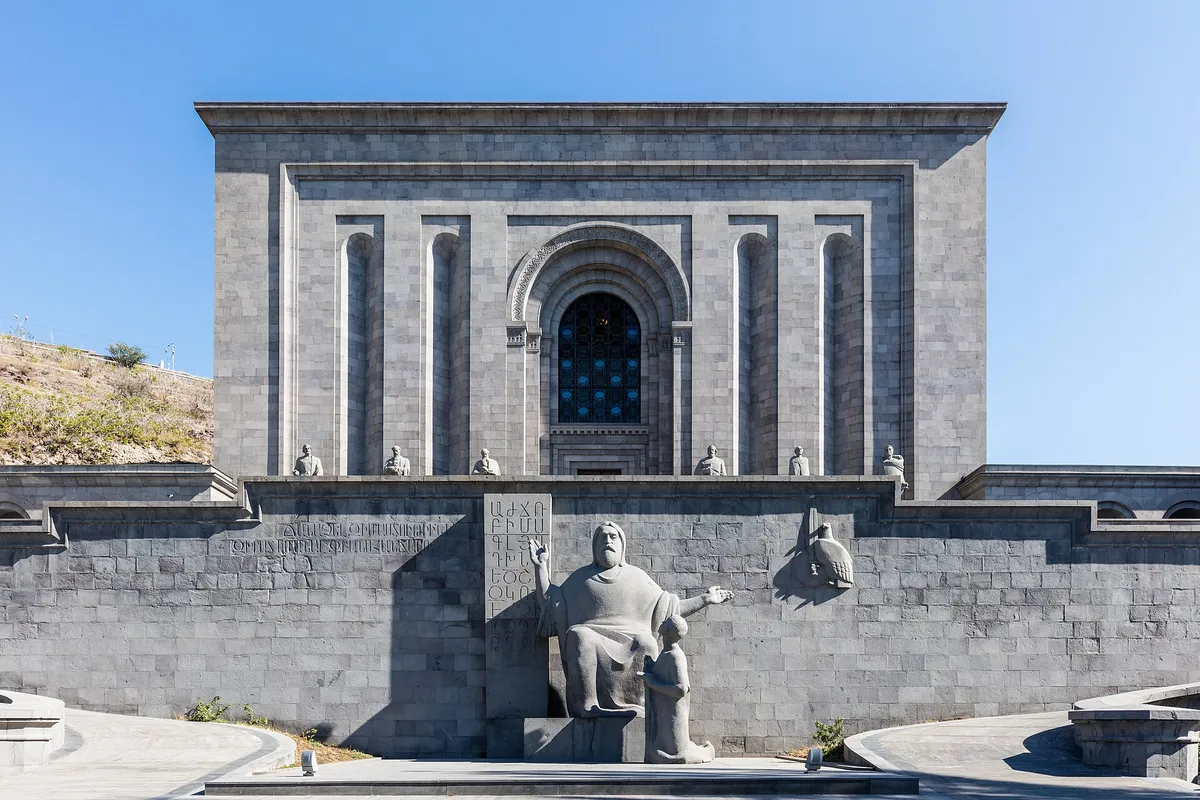 The Matenadaran: Age-Old Guardian of the Armenian Word and MiniatureDiscover the history and illuminated treasures of Yerevan's Matenadaran, a priceless sanctuary of Armenian written memory inscribed on the UNESCO register.
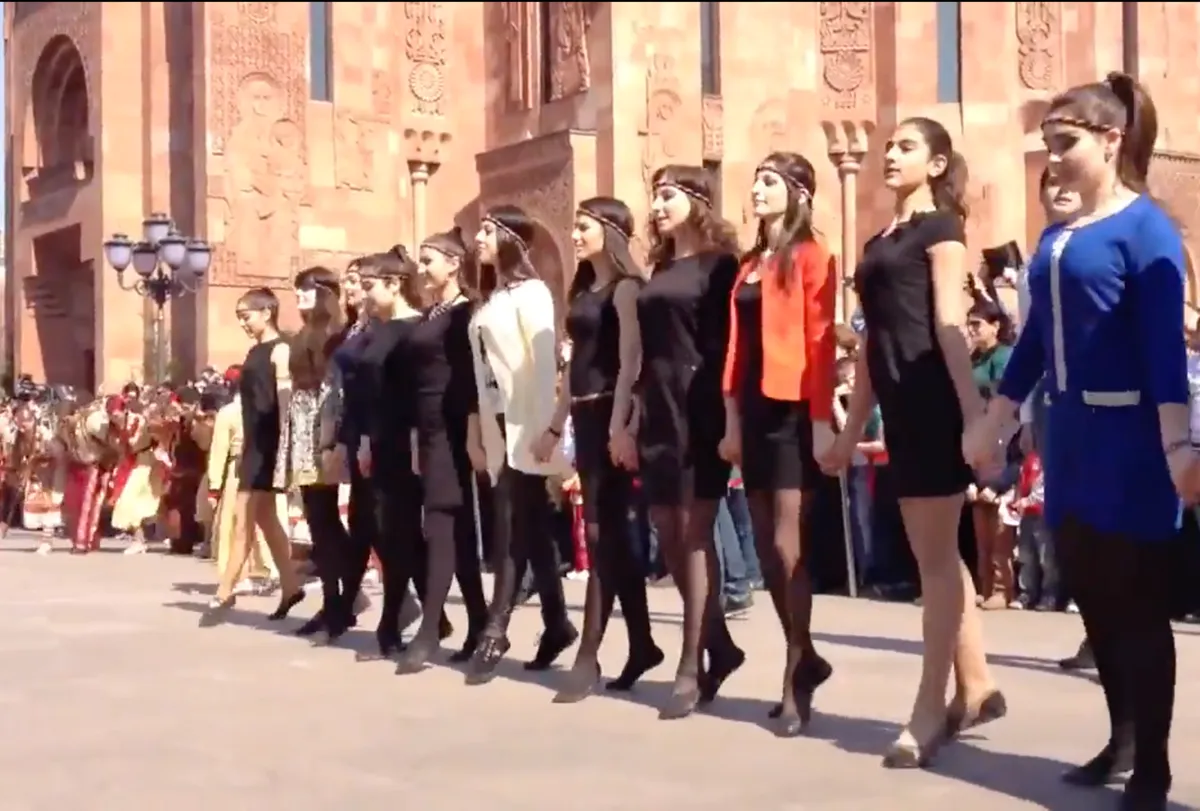 Kochari: History, Steps, and Memory of an Emblematic DanceDiscover Kochari, a circle dance born in the Armenian highlands, from its unique movements to its inscription on UNESCO's cultural heritage list.
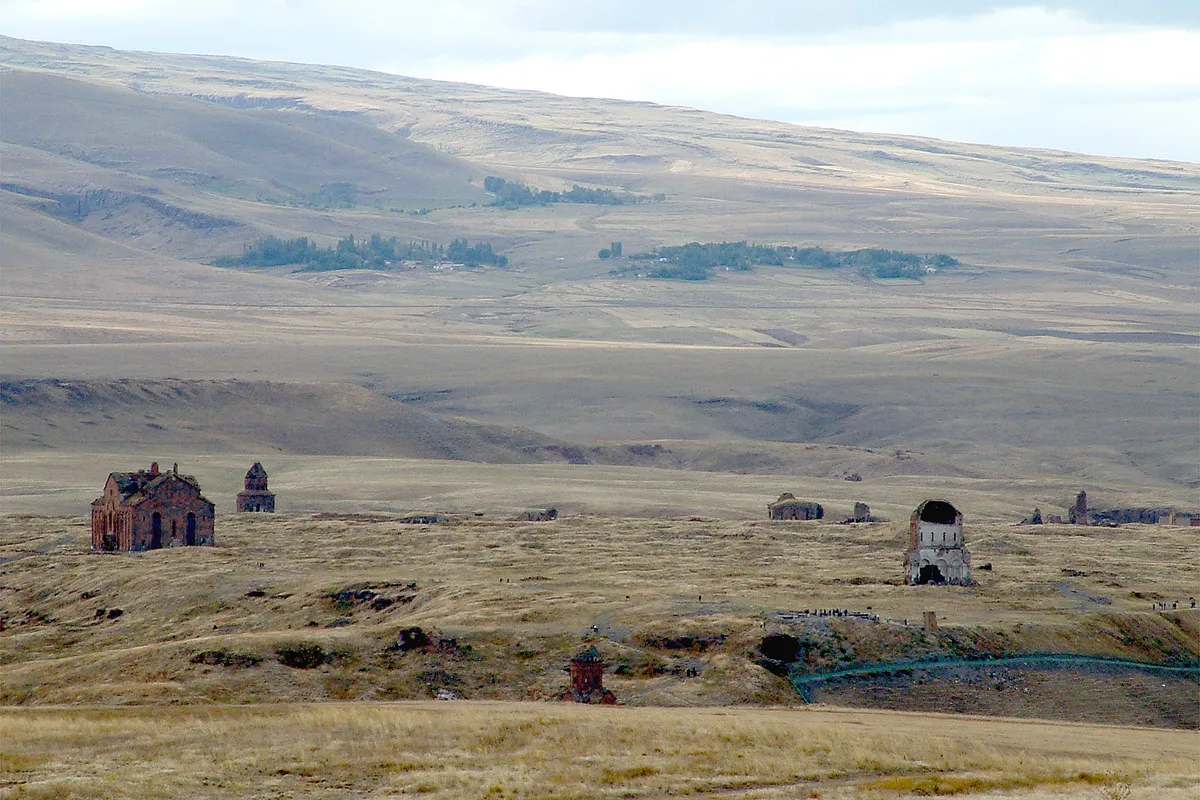 Ani, the City of 1,001 Churches: Glory and Resilience of the Ancient Armenian CapitalMedieval capital of the Bagratids, Ani, the “City of 1,001 Churches,” remains an architectural gem and the foremost symbol of Armenian greatness.