The Epic of David of Sassoun: A Thousand Years of Oral Memory
An Epic Born of the Spoken Word
The epic of David of Sassoun, known in Armenian as Sasna Tsrer (the Daredevils of Sassoun), belongs to those rare works that have traversed the centuries carried solely by the voices of storytellers. For more than a thousand years, villagers from the regions of Van, Mush, Sassoun, and neighboring cantons passed down from generation to generation the story of four lineages of heroes: Sanasar and Balthasar, Mher the Great, David of Sassoun, and Little Mher. It was not until 1873 that Bishop Garegin Srvandztiants, after three years of searching in the inaccessible villages of the Mush plain, met a peasant named Gurbo—or Krpo, depending on the variant—who agreed to recite the entire tale to him. The bishop faithfully recorded it and published it in Constantinople in 1874 under the title David of Sassoun or the Sword of Mher.
Four Cycles, a Single Geste
The work unfolds in four distinct branches, each bearing the name of its main protagonist. The first recounts the miraculous birth of the twins Sanasar and Balthasar, sons of Princess Tsovinar, conceived after she drank water from a sacred spring; their flight from Baghdad, the founding of the fortress of Sassoun upon sasan rocks, and their marriages. The second follows Mher the Great, known as the Lion, who frees Sassoun from the tribute imposed by the Melik of Msr (Arab Egypt), becomes his blood brother, but falls into the trap of the widow Ismil Khatun, with whom he has an illegitimate son—the future Melik of Msr. The third, and most famous, is dedicated to David, the legitimate son of Mher and Armaghan. Orphaned and raised in the enemy's land, he returns home, rebuilds the Marouta monastery, strikes down the tax collectors, and slays the Melik of Msr in single combat. He marries Khandut, but a forgotten promise to Sultana Chemeshkik leads to his death: his own daughter, born of that brief union, pierces him with a poisoned arrow. The fourth cycle narrates the wanderings of Little Mher, his vengeance, his childless marriages, and his final entry into the cleft of Raven's Rock, where he awaits the end of falsehoods before reappearing.
Between Myth and History
Scholars date the formation of the narrative core to around the 10th century, though older strata—solar cults, cosmogony, matriarchal motifs—surface in episodes such as the milky spring, the talking horse Kurkik Jalali, and the Lightning Sword (Tur Ketsak). The epic also reflects the period of the Arab occupation of Armenia, from the 7th century to the restoration of the kingdom under Ashot I Bagratuni, and more specifically the invasions of Sassoun, Taron, and Vaspurakan from 632 until the rebellion of 850–852. Some researchers have suggested identifying David with the historical figure of David of Taron, second son of Bagrat II Bagratuni, though the work makes no claim to strict historical accuracy.
From Field Collection to the Printed Page
After the first edition in 1874, Manuk Abeghian published a second version in 1889 in Shushi. Between 1936 and 1951, a team led by Abeghian, G. Abov, and A. Ghanalanian gathered nearly sixty variants into three scholarly volumes totaling more than 2,500 pages. A synthetic text, known as the "popular edition," was published in 1939 in Yerevan and served as the basis for all translations until the 1960s: Russian (Valery Bryusov, 1881; collective version 1939), French (1964), English (Leon Zaven Surmelian, 1964), Georgian, Chinese, German, and others. Hovhannes Toumanian produced a poetic version in 1903, Yeghishe Charents another in 1933, and Avetik Isahakyan worked on Little Mher as early as 1922. In total, around fifty variants have been inventoried, and the number of known versions reaches 160.
A Living Tradition
The epic does not sleep in books. It is still spoken today: on the first Saturday of October, designated as Epic Day in certain villages, as well as during weddings, baptisms, and major national celebrations. The storyteller, dressed in traditional costume, sits and modulates the narrative in a rhythmic voice, accompanied by the duduk. Sung parts alternate with prose. A performance lasts up to two hours, the work being delivered in fragments. This practice, passed down within families—especially in rural communities steeped in folklore—earned the epic its inscription on December 5, 2012, on UNESCO's Representative List of the Intangible Cultural Heritage of Humanity. The art of storytelling knows no barrier of gender, age, or profession.
The Epic in the Arts
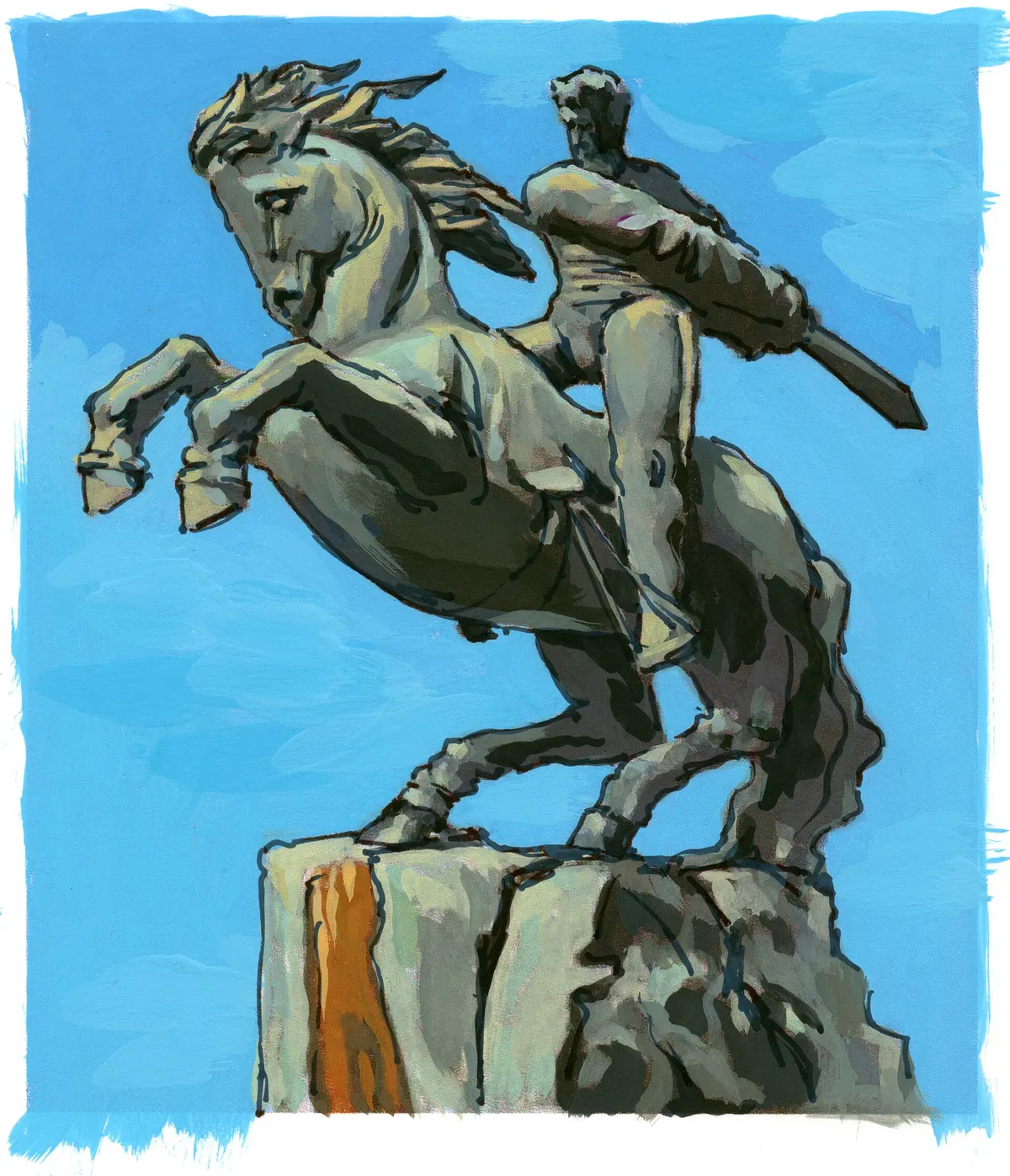
Painters and sculptors have continually drawn inspiration from it. Yervand Kochar illustrated the text as early as 1939; his equestrian statue of David of Sassoun, erected in 1959 in Yerevan, has become the symbol of the capital. Animated cinema embraced it in 2010 with Arman Manaryan's Sasna Tsrer, an 80-minute feature film resulting from eight years of work. In music, there is the oratorio The Birth of David of Sassoun by Garbis Aprikian and the symphonic poem David of Sassoun by Airat Ichmouratov (2005), created after the prose of Nairi Zarian. The comic book Le Prince de Sassoun by Alban Guillemois (2010) extends its reach to new audiences.
On October 29, 2026, the Museum of Art and Literature of Armenia will open its collections to the public in Auvergne-Rhône-Alpes. It will be a rare opportunity to discover manuscripts, rare editions, original illustrations, and artifacts tied to this thousand-year-old epic that continues to beat at the heart of Armenian culture.
Don’t miss : À la découverte des collections du musée d’art et de littérature d’Arménie — Thursday, October 29, 2026, Auvergne-Rhône-Alpes
Sources
- David de Sassoun (Wikipedia fr)
- Daredevils of Sassoun (Wikipedia en)
- Սասնա ծռեր (Wikipedia hy)
- Давид Сасунский (Wikipedia ru)
- Illustrations from Daredevils of Sassoun by Yervand Kochar 1939 (PeopleOfAr)
- Book Illustrations From The Daredevils Of Sassoun (PeopleOfAr)
Texts from Wikipedia (CC BY-SA 4.0) and Wikisource (CC BY-SA 3.0), used as sources.
Written with an AI tool from the sources cited and checked by our editors; translated automatically from the reviewed French text.
Read next
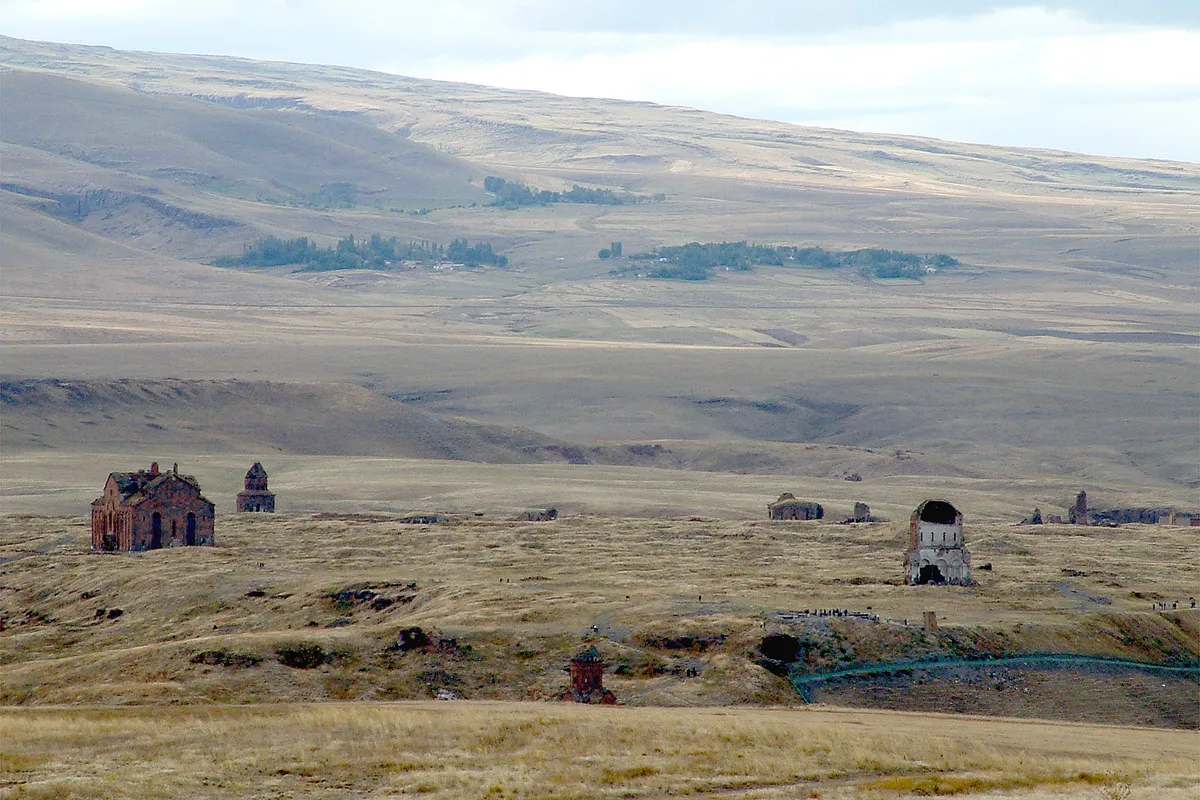 Ani, the City of 1,001 Churches: Glory and Resilience of the Ancient Armenian CapitalMedieval capital of the Bagratids, Ani, the “City of 1,001 Churches,” remains an architectural gem and the foremost symbol of Armenian greatness.
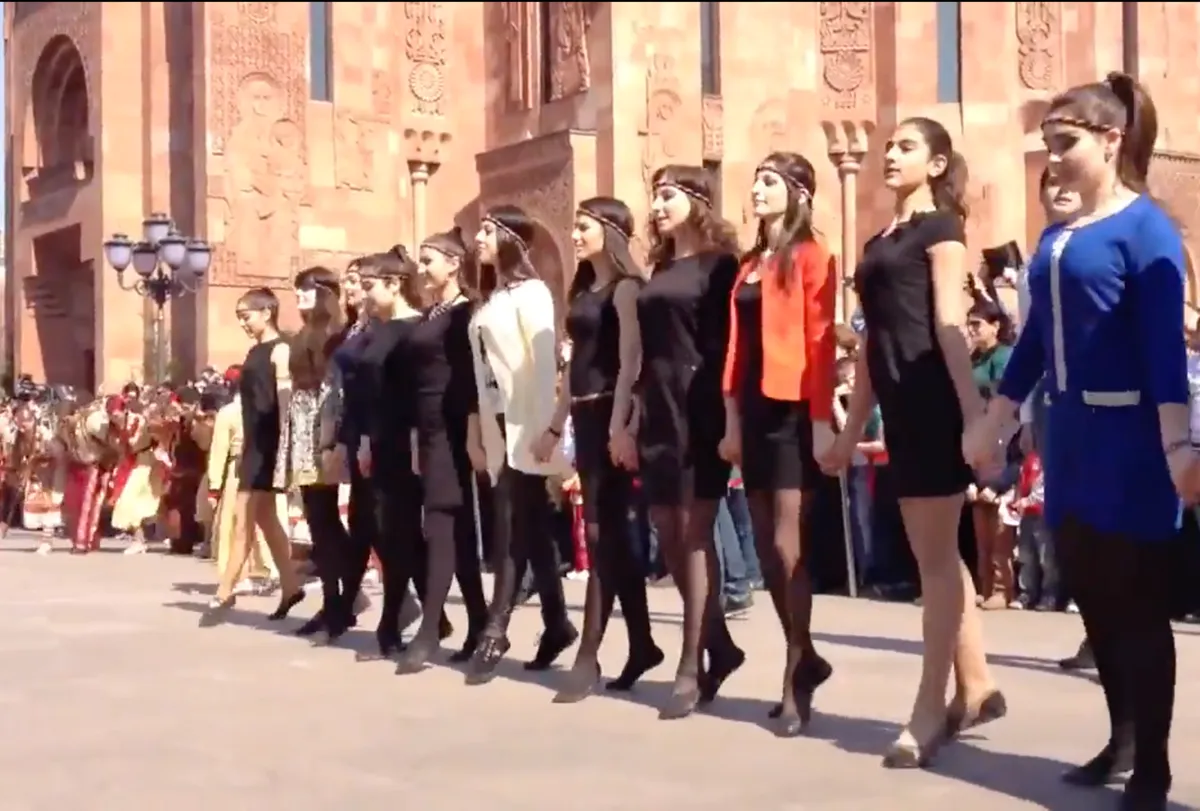 Kochari: History, Steps, and Memory of an Emblematic DanceDiscover Kochari, a circle dance born in the Armenian highlands, from its unique movements to its inscription on UNESCO's cultural heritage list.
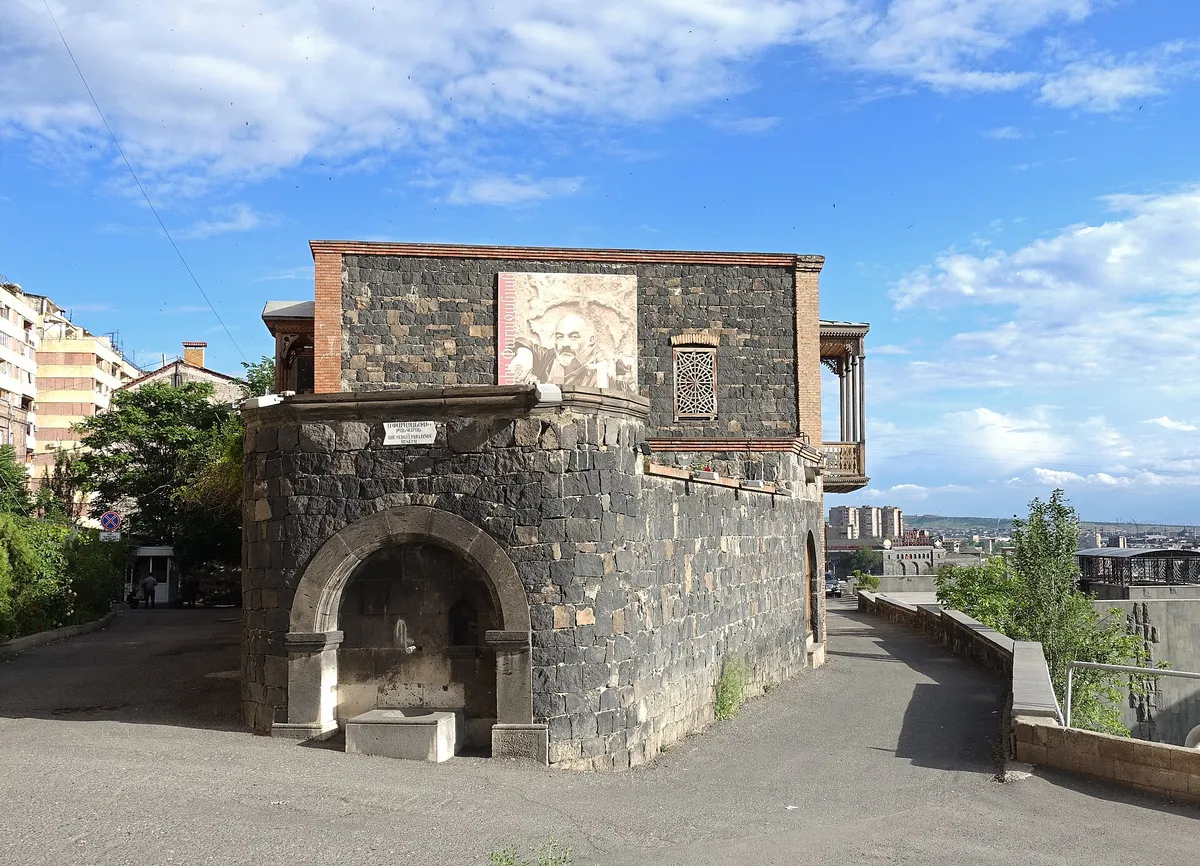 Sergei Parajanov: The Sovereign Master of Poetic CinemaA look back at the exceptional life of Sergei Parajanov, an indomitable artist who elevated Armenian genius to the heights of world cinema.