The Battle of Sardarapat: The Heroic Stand of May 1918
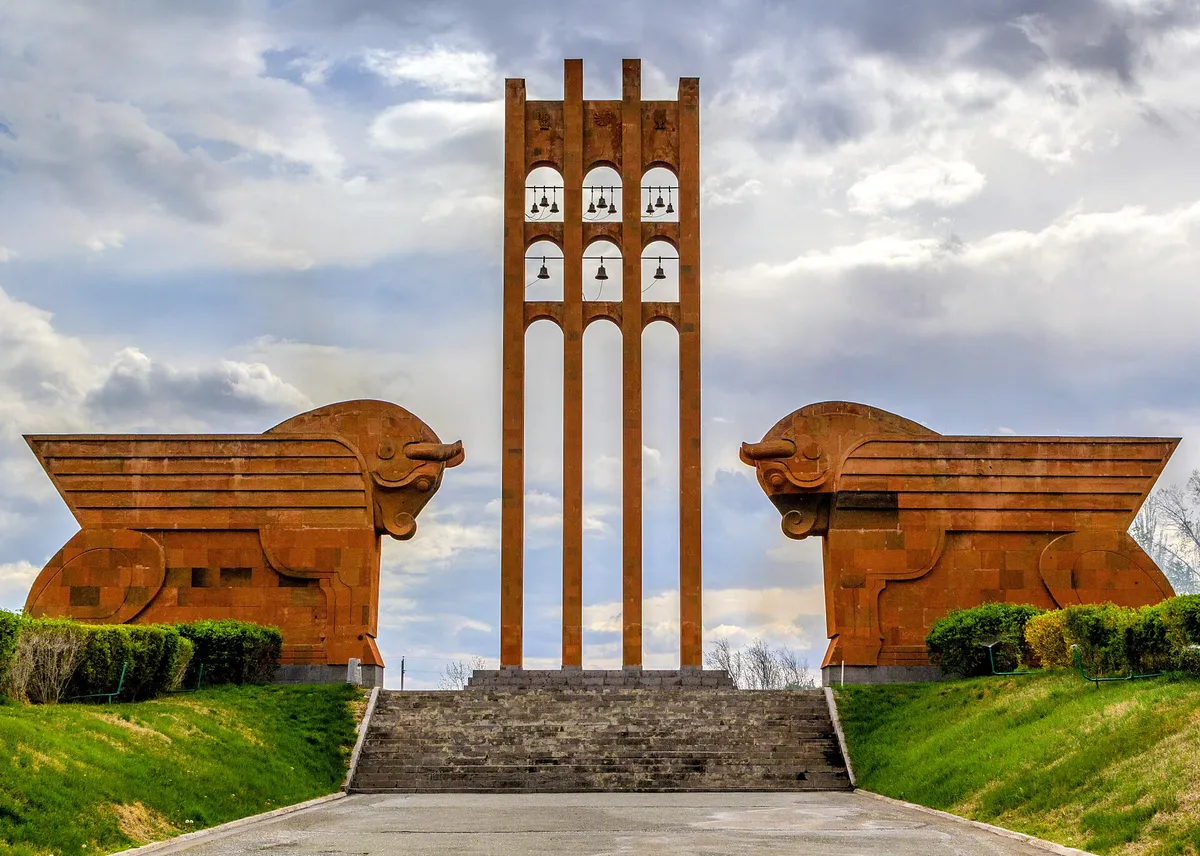
In late May 1918, just forty kilometers west of Yerevan, the fate of the Armenian nation was decided on the lands of the Ararat plain. Fought during the Caucasus campaign of World War I, the Battle of Sardarapat—often described in collective memory as a "modern-day Avarayr of the 20th century"—pitted Armenian regular units and volunteers against the invading troops of the Ottoman Empire from May 21 to 29. The stakes went far beyond the mere defense of territory: it was a matter of preventing the outright annihilation of the Armenian people and paving the way for the rebirth of their state.
The Peril of May 1918 and the Refusal to Capitulate
Following the Russian Revolution of 1917 and the Armistice of Erzincan, the Russian army abandoned the Caucasian front, leaving modest Armenian detachments to secure the region's defense. As early as February 1918, Mehmed Vehib Pasha's Ottoman 3rd Army resumed the offensive in Western Armenia. Despite the signing of the Treaty of Brest-Litovsk in March, Ottoman forces continued their advance: following the failure of the Trabzon peace talks, the fortress of Kars fell on April 25, followed by the capture of Alexandropol (modern-day Gyumri) on May 15. Only a small fraction of territory remained free, where approximately 350,000 refugees who had fled the Armenian Genocide were crowded together.
The invasion plunged the leadership into extreme anguish. During the Batum negotiations, the Armenian delegation formed by Alexander Khatisian and Hovhannes Kajaznuni advised against resistance, while Ottoman General Halil Bey claimed on May 19 that the Armenians were defeated. In Yerevan, on May 18, the city council adopted Mayor Tadevos Toshian's proposal to evacuate the city toward Kanaker and surrender it without a fight. However, the Special Committee of the Yerevan National Council, led by Aram Manukian, immediately overturned this decision. Mobilizing about 1,500 residents, Manukian had the approaches to the city fortified, particularly around Yerablur. That same day, accompanied by Commander Arshavir Shahkhatuni, he traveled to Etchmiadzin to urge Catholicos George V Sureniants to withdraw to Byurakan. The head of the Church adamantly refused to flee and ordered the church bells to toll, summoning the people to unrelenting resistance.
General Mobilization in the Ararat Plain
The commander-in-chief of the Armenian forces, Major General Tovmas Nazarbekian, and his chief of staff, Evgenii Vyshinsky, reorganized the troops to block the routes to Tiflis and Yerevan. Major General Movses Silikyan took command of the Yerevan contingent, establishing his headquarters at the Gevorkian Theological Seminary in Etchmiadzin alongside Colonel Alexander Vekilian. The direct command of operations on the Sardarapat front was entrusted to Colonel Daniel Bek-Pirumian, assisted by Captain Alexander Chneour.
On the Armenian side, forces numbered 9,000 to 10,000 men at the start of the fighting (subsequently reduced to 6,000 to 6,500 after reinforcements were dispatched to Bash Abaran), supported by 28 artillery pieces under the command of Colonel Kristapor Araratian. These troops included the 2nd Division of the Armenian Corps—notably Colonel Poghos-Bek Pirumian's 5th Infantry Regiment and Lieutenant Colonel Abraham Dolukhanian's 6th Regiment—partisan riflemen led by Alexei Perekrestov, volunteers from Van, Zeytun, and Erzincan led by Karapet Hassan-Pashayan, as well as a squadron of 300 Yazidi cavalrymen commanded by Jangir Agha and Usub Bek. A young cavalry officer, the future Marshal Hovhannes Bagramyan, also took part in the fighting. Facing them, Colonel Pirselimoğlu Hamdi Bey's Ottoman 36th Division, part of Yakup Shevki Pasha's army corps, fielded between 7,500 and 10,000 soldiers and Kurdish cavalrymen, equipped with 40 artillery pieces.
From the Counterattack of May 22 to Victory
The Ottoman advance became critical on May 21: the attackers seized the village and railway station of Sardarapat, followed by Gechrlu and Verin Kolibeklu, approaching within about twenty kilometers of Yerevan near the Ghamishlu railway siding. Communications threatened to be severed with 100,000 refugees. Captain Khoren Igitkhanian's artillery battery brought this advance to a dead halt near Artashar, while bridges over the Araks, such as the one at Margara, were destroyed or fiercely defended to secure the Armenian rear.
In the early morning of May 22, following a victorious night engagement fought by Jangir Agha's cavalrymen at Molla Bayazet, Colonel Daniel Bek-Pirumian launched a general counteroffensive. The 5th and 6th Regiments, supported by precise fire from the batteries of Igitkhanian, Vladimir Sakkilari, Nikolai Klich, and Sergo Atanesian, broke through the Ottoman lines at Ghamishlu. After hand-to-hand bayonet fighting, the opposing troops were routed, leaving behind more than 500 dead and wounded. Armenian forces liberated Sardarapat, Gechrlu, Molla Bayazet, Ujan, and Kosh, advancing 15 to 20 kilometers. Prior to the battle, Archbishop Garegin Hovsepian had addressed the 5th Regiment, christening them the "Kamikazes" (Makhapartner).
On May 24, General Silikyan issued a proclamation ordering all men under fifty to take up arms. The Ottoman offensives on May 24 collapsed under Armenian artillery fire. Finally, an outflanking maneuver orchestrated by Hassan-Pashayan's column and the 200-strong volunteer detachment from Moush led by Pandukht dealt a fatal blow to the enemy's rear and left flank. The Ottoman forces were forced to flee toward Alexandropol and Ani.
A Foundational Triumph and a Sanctuary of Memory
As historian Christopher J. Walker pointed out, had this resistance not succeeded, "it is perfectly possible that the word Armenia would have remained only as a term of antique geography." By breaking the Ottoman offensive at Sardarapat and Bash Abaran, the Armenian fighters saved the population from further massacres and made possible the birth of the First Republic of Armenia, proclaimed on May 28, 1918, followed by the signing of the Treaty of Batum on June 4.
For the fiftieth anniversary of the battle, in May 1968, a monumental memorial of red tuff designed by architect Rafael Israyelyan and sculptor Ara Harutyunyan was inaugurated on the battlefield. Dominated by its towering bell-tower belfry and winged bulls, the complex perpetuates the memory of those who granted Armenia its survival and reclaimed freedom.
Sources
- Bataille de Sardarapat (Wikipedia fr)
- Battle of Sardarabad (Wikipedia en)
- Սարդարապատի հերոսամարտ (Wikipedia hy)
- Сардарапатское сражение (Wikipedia ru)
Texts from Wikipedia (CC BY-SA 4.0) and Wikisource (CC BY-SA 3.0), used as sources.
Written with an AI tool from the sources cited and checked by our editors; translated automatically from the reviewed French text.
Read next
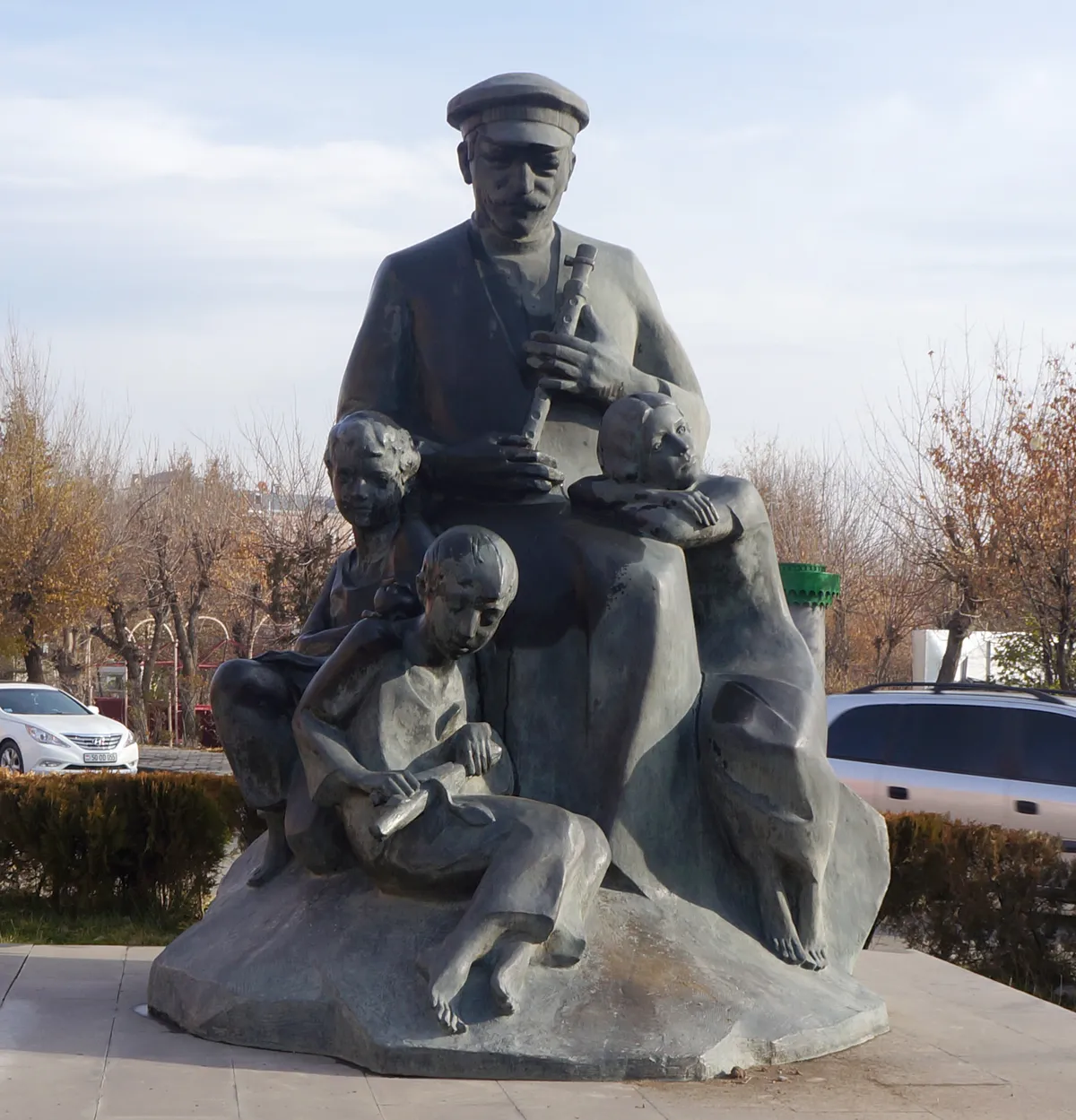 The Duduk, Armenia's Millenary Voice and Apricot Wood SoulDiscover the history, apricot wood craftsmanship, and global reach of the duduk, an iconic instrument of Armenian culture and music.
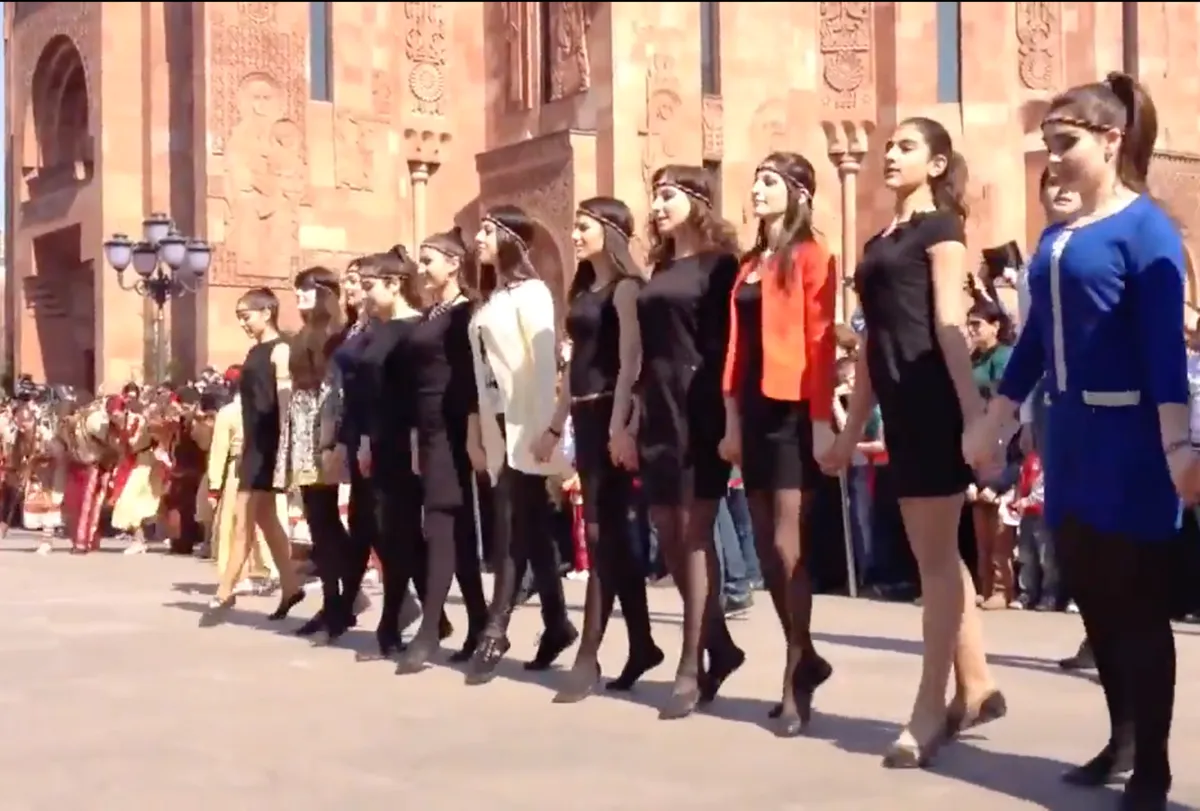 Kochari: History, Steps, and Memory of an Emblematic DanceDiscover Kochari, a circle dance born in the Armenian highlands, from its unique movements to its inscription on UNESCO's cultural heritage list.
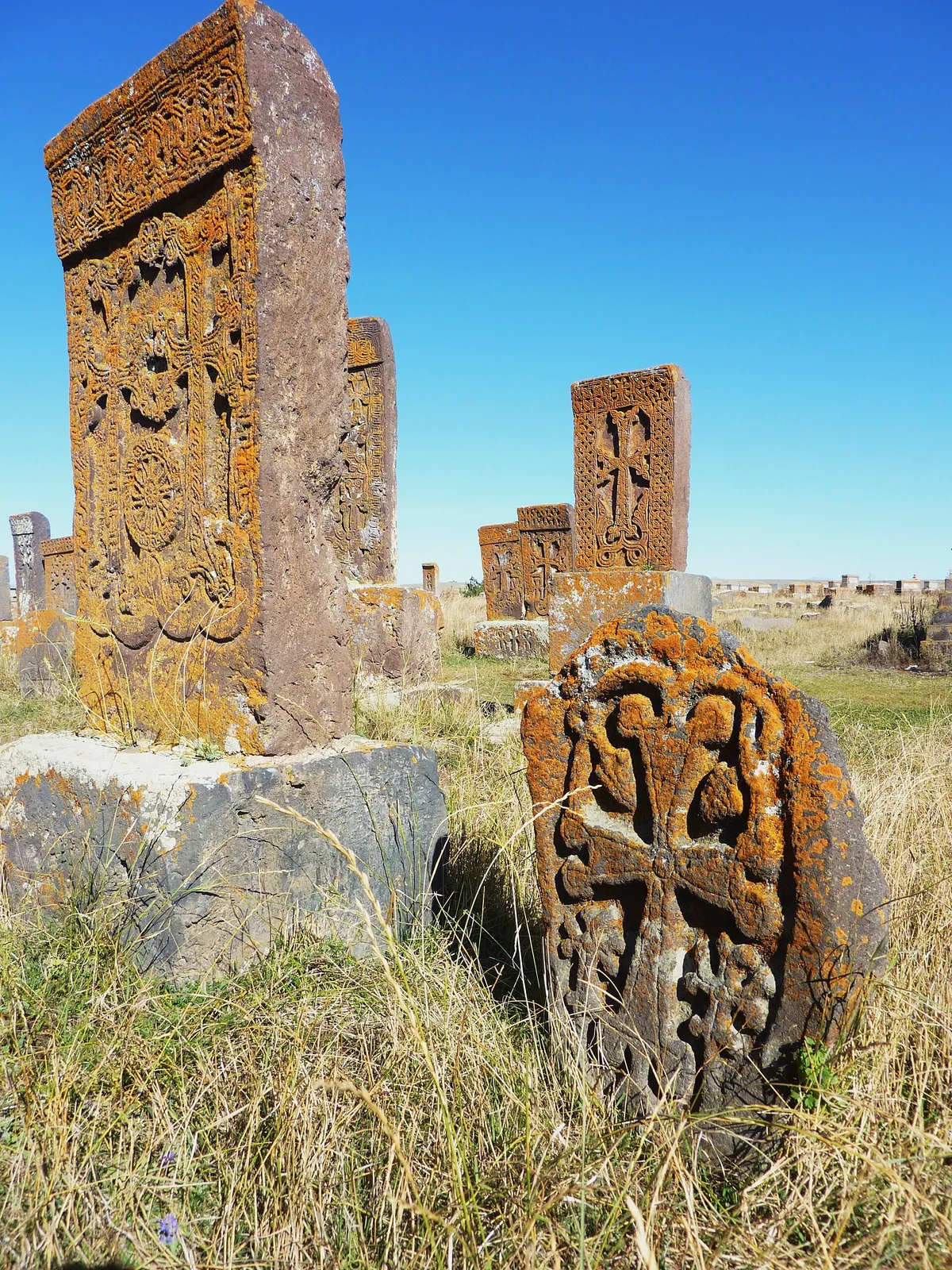 The Art of Khachkars: When Armenian Stone Becomes the Tree of LifeDiscover the history, symbolism, and destiny of khachkars, Armenian cross-stones whose art is inscribed on UNESCO's Intangible Cultural Heritage list.