Djivan Gasparyan and the Universal Breath of the Armenian Duduk
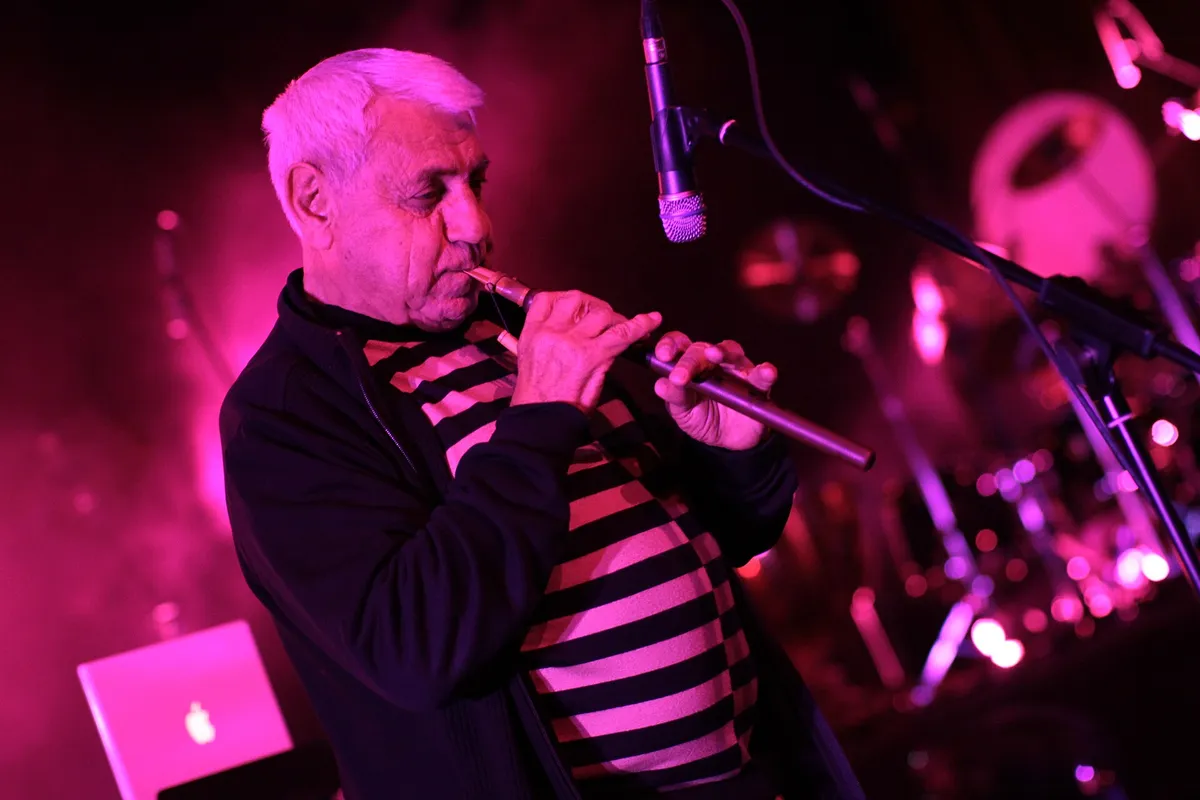
Born on October 12, 1928, in Solak, a village located near the town of Hrazdan in Armenia, Djivan Gasparyan became one of the leading figures of contemporary Armenian music. Coming from a family originally from Mush, he endured the hardships of a childhood marked by the early loss of his mother and his father's departure for the front during World War II. Placed in an orphanage, he began teaching himself to play the duduk at the age of six—a traditional double-reed woodwind instrument carved from apricot wood—while also learning the shvi and the zurna by observing the old masters.
From Solak to Initial International Recognition
The young musician's talent revealed itself early on beyond the walls of the orphanage. As early as 1947, he performed in Moscow with an amateur ensemble during a gathering of artists from the Soviet republics, where his performance earned him a watch presented by Joseph Stalin. In 1948, his professional career accelerated: he became a soloist with the Armenian National Ensemble of Folk Song and Dance led by Tatul Altunian, while also performing with the Yerevan Philharmonic Orchestra even though he did not yet know how to read sheet music.
Over the following decades, his artistry gained prominence at international competitions. He won four gold medals at UNESCO-sponsored world competitions in 1959, 1962, 1973, and 1980. In 1956, he received a first national prize and the Medal for Distinguished Labor, before embarking on a first tour of the United States with the Beryozka ensemble in 1957. Recognized by his peers and by the state, he was awarded the title of People's Artist of the Armenian SSR in 1978. A renowned educator, he became a professor at the Yerevan Komitas State Conservatory beginning in 1976, where he trained more than seventy professional performers to ensure the preservation of this ancestral art.
Encounter with the West and Musical Openness
Following a first solo album of Armenian folk melodies recorded for Melodiya in 1983, the year 1988 marked a decisive turning point in his global renown. British musician Brian Eno, who discovered his playing during a visit to Moscow, decided to invite him to London for a series of concerts. This recording was reissued internationally under the title I Will Not Be Sad in This World on the Opal Records label in 1989. As Armenia was struck by the December 1988 earthquake, which claimed the lives of more than 25,000 people, the tones of his instrument resonated with tragic intensity on international stages.
Djivan Gasparyan subsequently engaged in a wide variety of collaborations, blending the voice of the duduk with diverse aesthetics. He recorded and performed with renowned artists such as Peter Gabriel, Brian May, Lionel Richie, Michael Brook, Ludovico Einaudi, David Sylvian, Derek Sherinian, Andreas Vollenweider, Sting, and Boris Grebenshchikov. He also performed with the Kronos Quartet and the Los Angeles Philharmonic. Notable albums include Black Rock (1998) with Michael Brook, Fuad (2001) alongside guitarist Erkan Oğur, and Endless Vision (2005) with Hossein Alizadeh, which earned him a Grammy Award nomination in 2006 in the Best Traditional World Music Album category.
An Unforgettable Imprint on World Cinema
The unique timbre of his duduk captivated major film directors and composers. As early as 1988, Peter Gabriel called upon him for the soundtrack of Martin Scorsese's The Last Temptation of Christ. His name subsequently appeared in the credits of feature films such as Atom Egoyan's Calendar (1993), The Crow (1994), Dead Man Walking (1995), The Siege (1998), Ronin (1998), and Onegin (1999). In 2003, he composed the music for Alexander Gutman's documentary film Frescoes, dedicated to post-Soviet Armenia.
One of his most famous contributions remains his collaboration with Hans Zimmer in 2000 on the score for the film Gladiator. Zimmer specifically chose Djivan Gasparyan to perform the track To Zucchabar, whose duduk theme left a lasting mark on world cinema. Gasparyan also contributed to the soundtracks of Syriana (2005), Blood Diamond (2006), and the film Samsara (2011).
Legacy, Transmission, and Remembrance
A passionate advocate for the evolution of the repertoire, Djivan Gasparyan created an unprecedented duduk quartet in 1998 incorporating alto and bass ranges, an initiative brought to fruition with the album Nazeli. Named an Honorary Citizen of Yerevan in 2000 and honored with the prestigious WOMEX Lifetime Achievement Award in 2002, he received the Order of Saint Mesrop Mashtots in Armenia in 2001 and the Order "For Merit to the Fatherland", 1st Class, in 2017. In 2010, he took the stage at the Eurovision Song Contest in Oslo alongside singer Eva Rivas for the song Apricot Stone, becoming at the time the oldest participant in the contest's history.
Dividing his life between Armenia and the United States, he passed on his passion to his grandson, Djivan Gasparyan Jr., with whom he shared the stage on multiple occasions during the final years of his career. Following the passing of his wife, the dancer Astghik Zargaryan, in 2017, Djivan Gasparyan passed away on July 6, 2021, at the age of 92 in Los Angeles. In accordance with his wishes, his funeral was held in Yerevan at the Aram Khachaturian Concert Hall, before his burial at the Komitas Pantheon on July 24, 2021.
To further explore the richness of Armenian culture and its close ties with cinema, the public is invited to the "Second Edition of AYK - International Armenian Film Festival", which will take place on November 26, 2026, in the Auvergne-Rhône-Alpes region.
Watch the video
Don’t miss : Deuxième édition d'AYK - Festival International du Cinéma Arménien — Thursday, November 26, 2026, Auvergne-Rhône-Alpes
Sources
- Djivan Gasparian (Wikipedia fr)
- Djivan Gasparyan (Wikipedia en)
- Ջիվան Գասպարյան (Wikipedia hy)
- Гаспарян, Дживан Арамаисович (Wikipedia ru)
Texts from Wikipedia (CC BY-SA 4.0) and Wikisource (CC BY-SA 3.0), used as sources.
Written with an AI tool from the sources cited and checked by our editors; translated automatically from the reviewed French text.
Read next
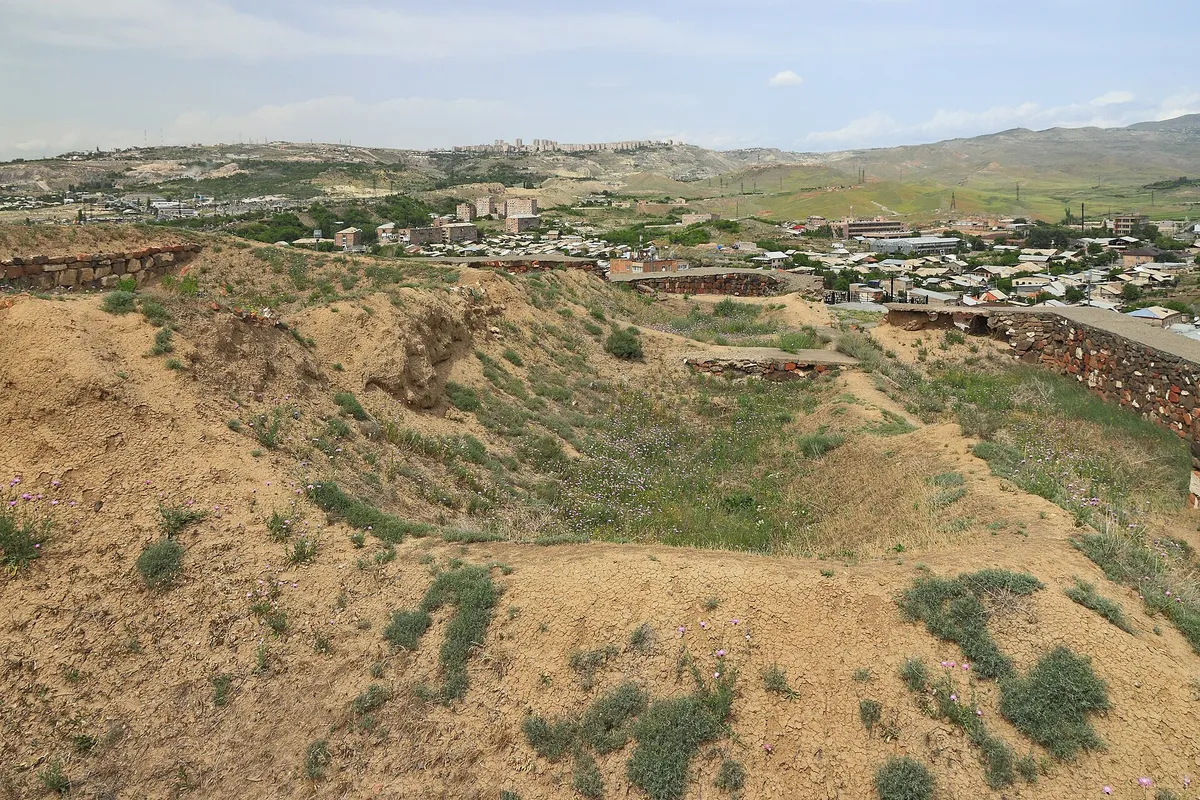 Erebuni Fortress and the Dawn of YerevanFounded in 782 BC by King Argishti I on Arin Berd hill, the Urartian fortress of Erebuni is the historical birthplace of Yerevan.
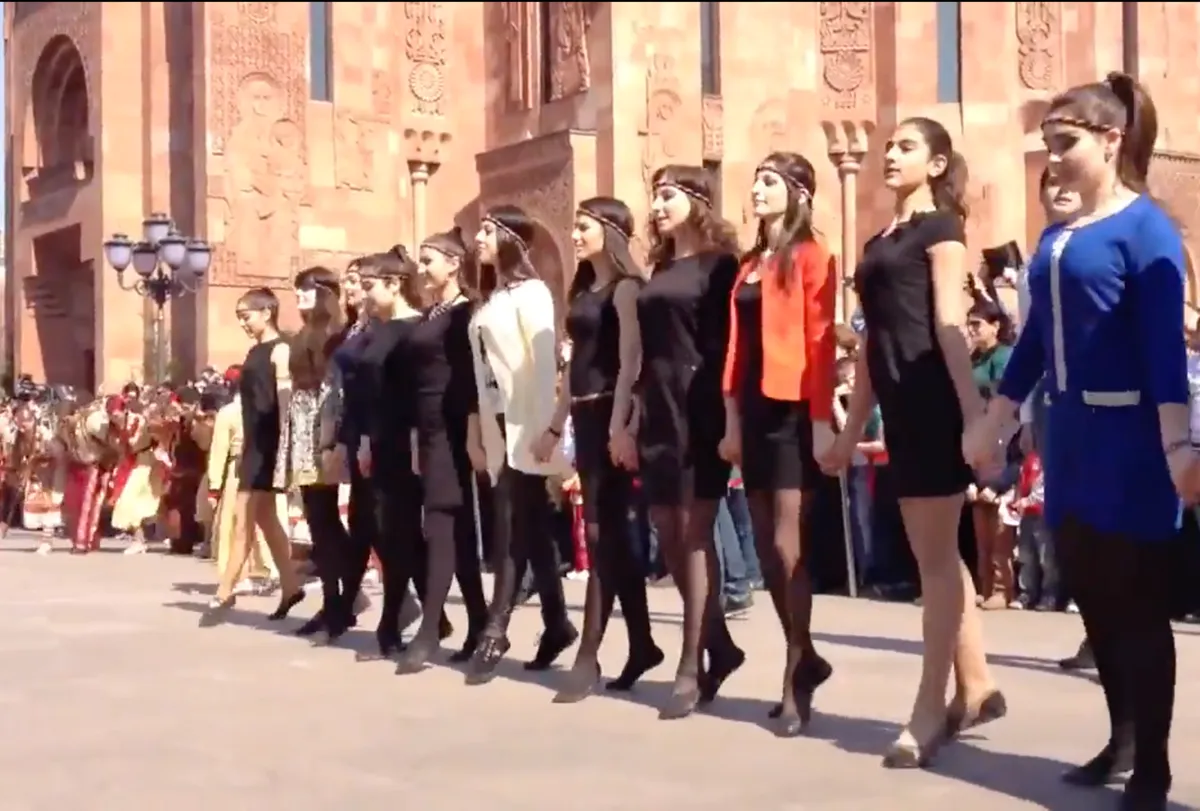 Kochari: History, Steps, and Memory of an Emblematic DanceDiscover Kochari, a circle dance born in the Armenian highlands, from its unique movements to its inscription on UNESCO's cultural heritage list.
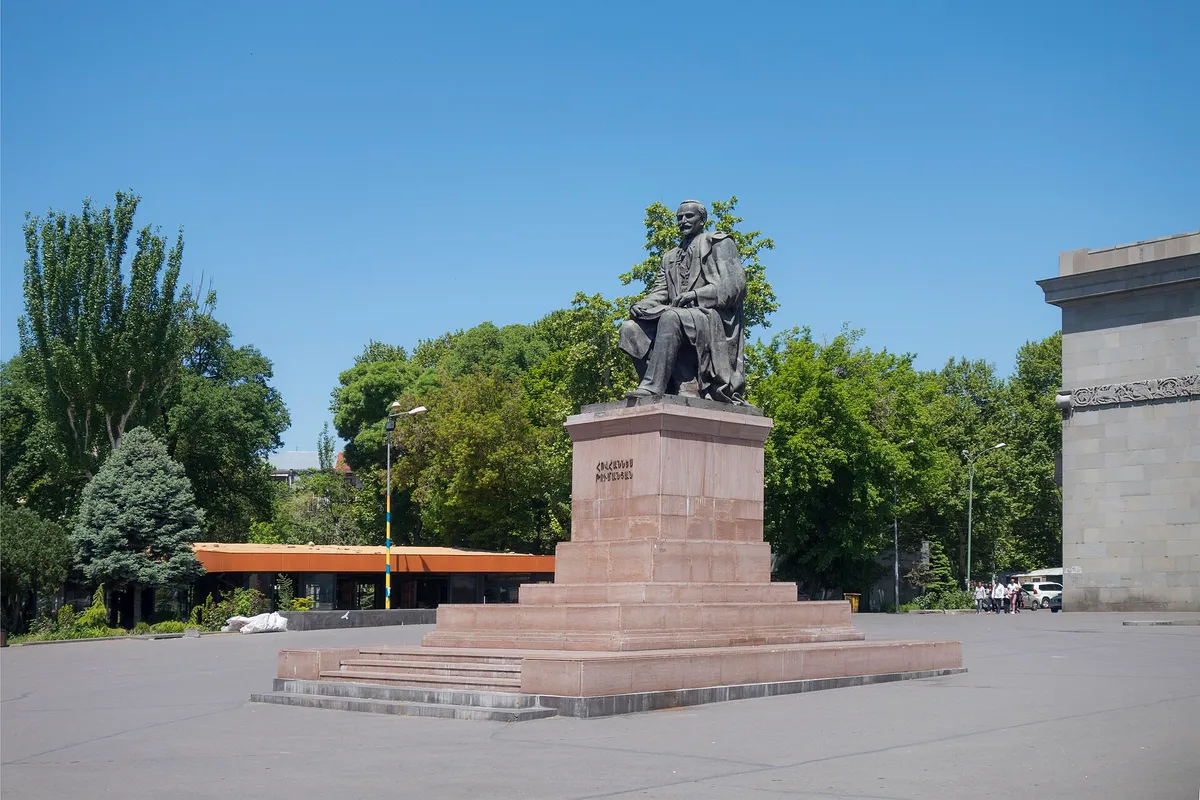 Hovhannes Toumanian, the Fraternal and Immortal Voice of Armenian LettersA look back at the life and work of Hovhannes Toumanian (1869–1923), Armenia's national poet, founder of Vernatun, and tireless protector of his people.